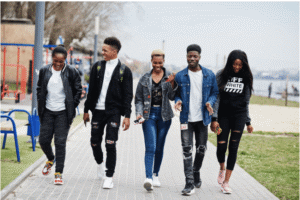
Schools are often viewed as a place where young people go to study academic subjects, form new friendships, learn new skills and unlock new chapters in their life. From learning how to develop their confidence and personality, they go on to explore building relationships, taking accountability for their actions, and understanding who they are as individuals.
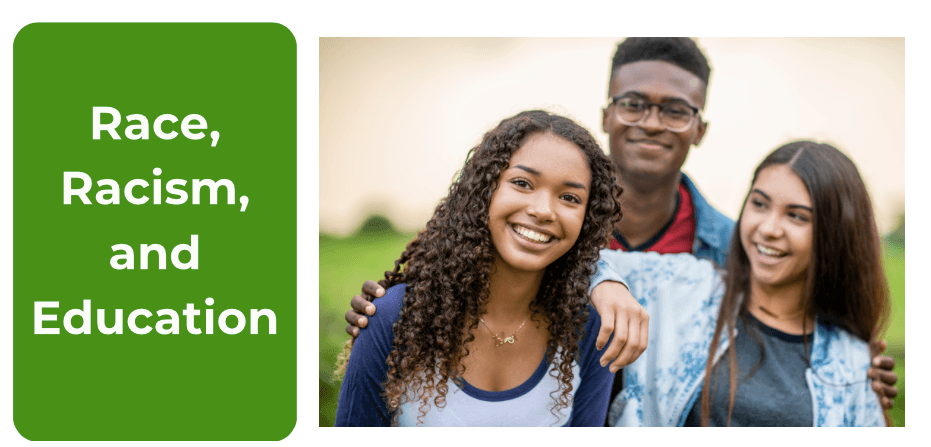
However, for many black teenagers and young children, school is often a place where they first experience racism, discrimination, and bullying from their peers.
In this blog piece, there will be a focus on 4 main themes:
- peers & racism,
- school as a place of culture,
- teacher’s expectations,
- the school’s curriculum, and their impact on black young individual’s experiences.
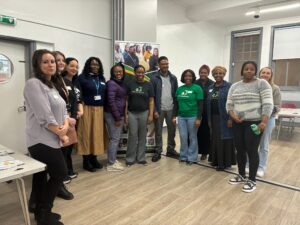
As part of the research conducted by Afrikindness in partnership with York St. John University & Liverpool Hope University, funded by the Institute of Social Justice, a group of young people were interviewed, asking them questions about how their racial identity influences their relationship with staff members and peers, how well they get on with other young people, whether they feel included or excluded, and how the curriculum reflects their racial identity in the subjects that are being taught in school.
From these interviews, we were able to collect sufficient data and varied responses from the young participants about their experiences in school regarding racism and their racial identity.
Peers & Racism
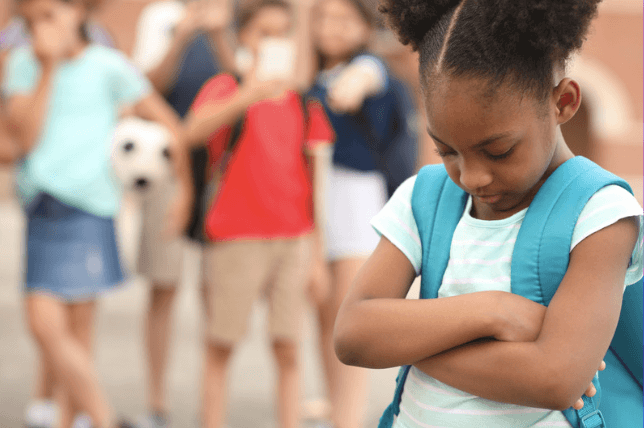
Racism, often amongst peers, appears in forms of abusive language, such racial slurs and comments about an individual’s skin colour, their accent, comments such as “go back to your country,” negative opinions about their hair, and traditional differences, which can make young people feel anxious, fall into depression and become isolated amongst their peers.
Some of the experiences shared during the interviews include a participant mentioning that they found it difficult to socialise with peers of different heritage, as they had differences and couldn’t get along with them, and another participant reporting having experienced bullying and being made fun of because of the different food they brought to school.
These negative experiences take a toll on the young people’s confidence when portraying their identity and where they are from, making them lack a sense of belonging.
According to a study from the World Economic Forum, “95% of young Black British people have witnessed racist language in education.”
This highlights how racism isn’t different from school education but is influenced by lack of cultural knowledge and experiences of young people and their attitudes towards other peers.
School as a place of culture
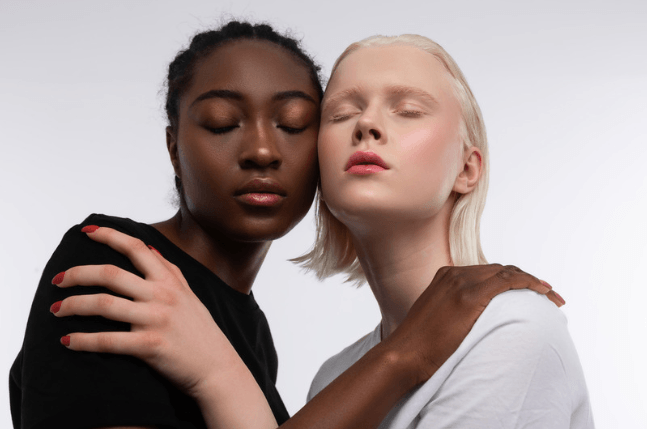
Schools are often seen as vibrant, diverse cultural spaces where individuals from various backgrounds and cultures come together to learn and celebrate cultural events such as Black History Month, Culture Day, Chinese New Year, and other cultural festivals.
These events play an important role in broadening students’ knowledge on different perspectives and getting them to learn about other people’s cultures, building mutual respect and understanding amongst peers.
However, there are also cultural misunderstandings and lack of understanding of African cultures, which creates bias.
During the interview, participants mentioned that during Black History Month they often felt “tokenised” and put at the front during these events.
Many complained that the same black figures were used repeatedly, such as Rosa Parks and Martin Luther King Jr., rather than introducing other figures who may not have been so well known but made a lasting impact in the community. These experiences can make the young people feel as though they are more seen than respected during Black History Month and not empowered.
Therefore, the next step would be for the school’s curriculum to expand on its scope to allow for better learning about black African culture and involve students in decision-making in what they would want to learn about, and make their voices heard and listened to.
Teachers
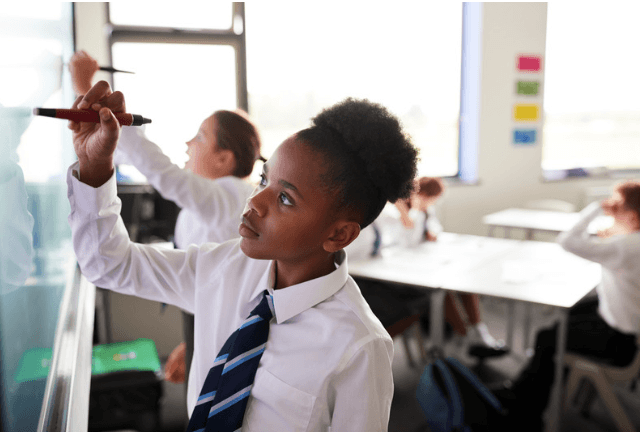
According to UNESCO, a teacher plays a crucial role in ensuring quality education for every learner they come across.
But what happens when there is a lack of cultural understanding?
Can that still be achieved?
Our research findings would suggest otherwise.
“Loud,” “disruptive,” “rowdy” are words that are still used today to stereotype young people of African heritage in schools.
These stereotypes and assumptions are rooted in prejudice and unconscious bias, creating a hostile environment for them. Students may begin to internalise these labels, leading to what is known as a self-fulfilling prophecy.
However, these negative stereotypes should not define young people of African heritage, and they should learn to push back against any barriers that will derail them from making an impact in the world.
In many cases, African families may have high aspirations for their children, encouraging them to be doctors, engineers, or lawyers. This contrasts with the attitudes of teachers who have low expectations of them because of prejudice and labelling.
We are told to let an adult know when a racist incident has happened; however, our research found out that there is an inconsistent response from teachers when pupils report incidents.
Teachers need to create a supportive environment where they are willing to hear, acknowledge, and act when an incident is reported.
Real-life examples such as Ruby Williams and Chikayzea Flanders highlight the lack of understanding and appreciation of African contexts, cultures, and traditions. Chikayzea was told by his school to cut off his dreadlocks, and Ruby was told that her hair was “too big.”
These are examples of how schools and teachers have a lack of understanding of African cultures, therefore creating a toxic environment.
So, what needs to change?
Teachers should undergo more intense training on cultural differences to ensure that every child in a school setting is truly valued and seen.
It’s so important, particularly, that teachers are taught a specific protocol to adhere to when incidents of racism are reported to them.
This would ensure that all pupils are cared for and listened to.
Rethinking the Curriculum for Today
Education plays a vital role in shaping the knowledge, skills, and values of young people. The curriculum, as the foundation of what is taught in schools, directly influences how students understand the world and prepare for their future.
There is enhanced technology, increasing diversity, global challenges, and a lot more, which creates uncertainty; hence, it is crucial that current curricula is evaluated to truly meet the needs of today and prepare for the demands of tomorrow.
A strong curriculum should connect learning to real-world situations, in other words: relevance to real-life curriculum.
And I give credit to schools that set aside a week or more for all students to get engaged in work experience and culture week. This gives students an idea of what professional work feels like, building the necessary skills needed.
Secondly, inclusivity and diversity are a key aspect.
Things like culture week, or any other sort of celebration that acknowledges diversity and other cultures, help students feel represented and promote understanding in a multicultural society.
From a young person’s perspective, the curriculum can sometimes feel unrelated to real life. There is a pressure felt by many to perform brilliantly in exams rather than utterly understand or enjoy what they are learning. Lessons can be fun and interactive, linking to real-world applications, giving students the motivation and confidence they need.
Research shows that young people value learning that prepares them for independence, future careers, and personal growth. Education will become more meaningful and effective when students have a voice in shaping their curriculum.
In conclusion, while schools are often viewed as a place for young people to enhance their learning skills and learn valuable academic content to succeed in their future, as shown by the research conducted, it can often be a place where young African youth are the target of peer racism and bullying, discrimination, cultural misunderstandings, and bias from some teachers due to cultural differences.
These factors negatively influence young people and their confidence within their learning environment. Although schools are striving for a more inclusive cultural community by taking part in celebrations such as Black History Month and Culture Day, it can often make the youth feel like they are tokenised instead of being empowered, highlighting the need for a different approach in the education system when celebrating black African culture.
Having reflected on the initial findings, certain questions surface, such as how schools can create a supportive environment for young people where they feel encouraged, valued, and proud of their identity and belonging.
Ultimately, in order to create an inclusive environment for all, both young people and school leadership will need to work together to create a curriculum that suits all.
Reference:
This blog article, co-written by our Research Ambassadors, forms part of the research outputs from Afrikindness’s research project on race, racism and education, delivered in partnership with York St John University and Liverpool Hope University, and funded by the Institute of Social Justice.
Read more about the research outcomes here:
Research Findings
Research Ambassadors
Written by:
Ruoeda Alamo
 Ruoeda Alamo is a first-year Diagnostic Radiography student at the University of Leeds. Her academic interest focuses on imaging science technology, patient care and communication in healthcare settings which links to her blog exploring racism, cultural differences while communicating to challenge cultural bias within the education system. Ruoeda has taken part in youth-panel interviews, as well as engaged in community forums on experiencing racism in policing. She is an active member of the Nuba Sudanese community in Chapel town where she participates in culture events and workshops. Outside of her studies, she enjoys baking and walking outdoors. Ruoeda is aspiring to become a compassionate Radiographer who can bring positive change into the healthcare practice.
Phoebe Onduku
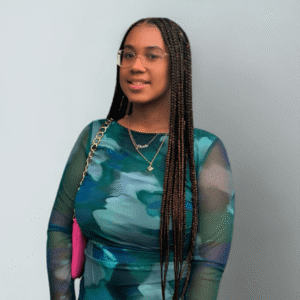 Phoebe Onduku is currently in Year 12 studying Politics, Sociology and Drama at Notre Dame Catholic Sixth Form College. She is passionate about speaking out against injustices in society, such as racism and advocating for young people to have a strong and confident self-worth. This links to her current research project on “To what extent, if any, do hair policies in state secondary schools in Bradford constitute to indirect racial discrimination against students with afro-textured hair under the Equality Act 2010?” Phoebe would love to be a primary school teacher or have a career in policymaking.