Young People Lead Groundbreaking Research on Race, Identity and Education in the North of England

Young People Lead Groundbreaking Research on Race, Identity and Education in the North of England

< Back to News and Press Page

Leeds- 2026

One-year youth-led research project culminates in successful dissemination event celebrating youth voice, leadership and community impact

Leeds, UK – After twelve months of research, collaboration and youth leadership, Afrikindness proudly celebrated the successful completion of its pioneering youth-led research project, Race, Racism & Education.

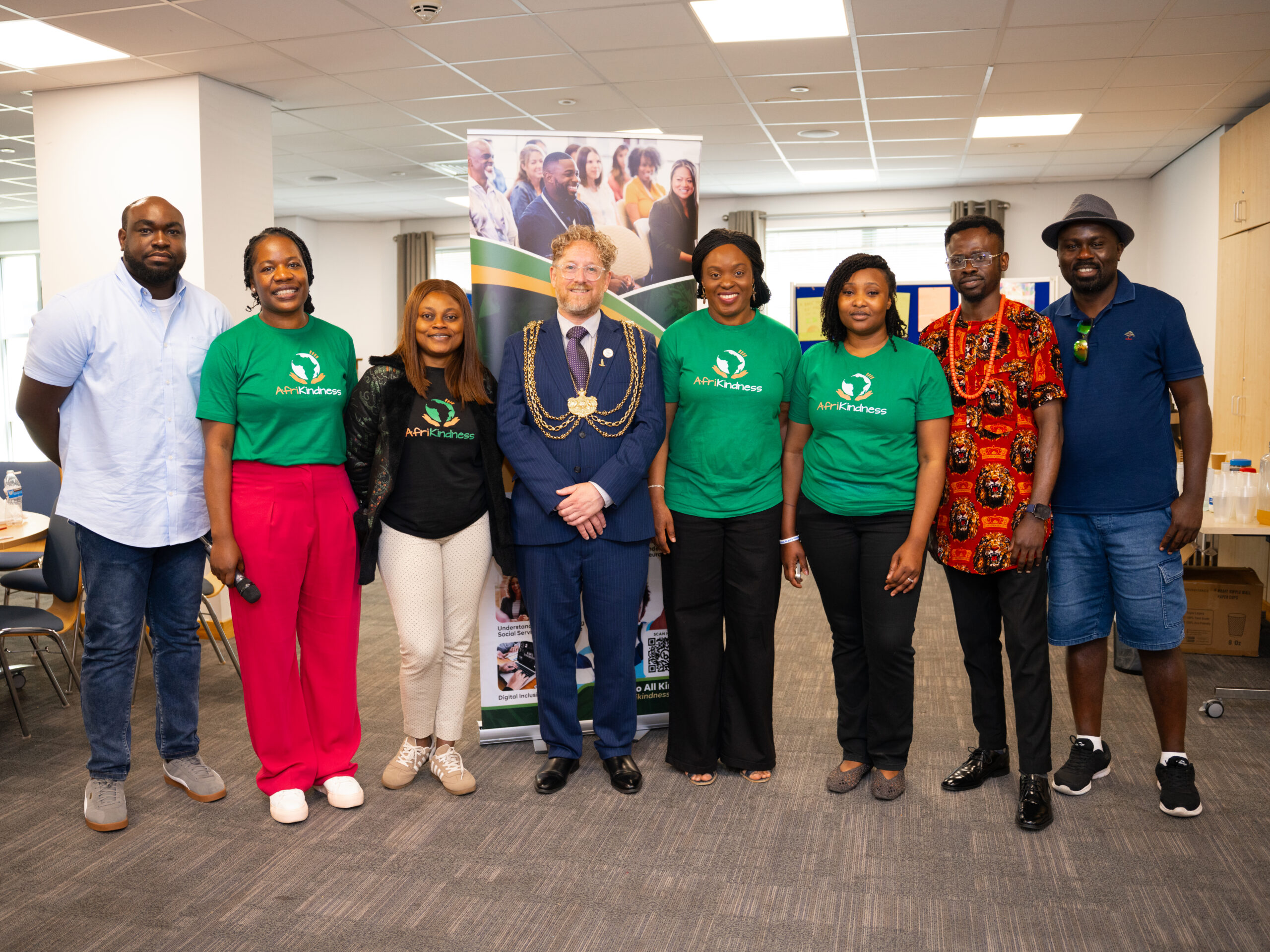
The project, Race, Racism & Education: A Study of Racial Identity Formation and its Impact on the Educational Experiences of Adolescents of African Heritage in the North of England, was led by Afrikindness in partnership with York St John University and Liverpool Hope University, with funding from the Institute for Social Justice. The project explored how racial identity is formed among young people of African heritage, the role of the home environment, and how these experiences influence education, belonging and wellbeing. 

Unlike traditional research, this project placed young people at the centre of the process.

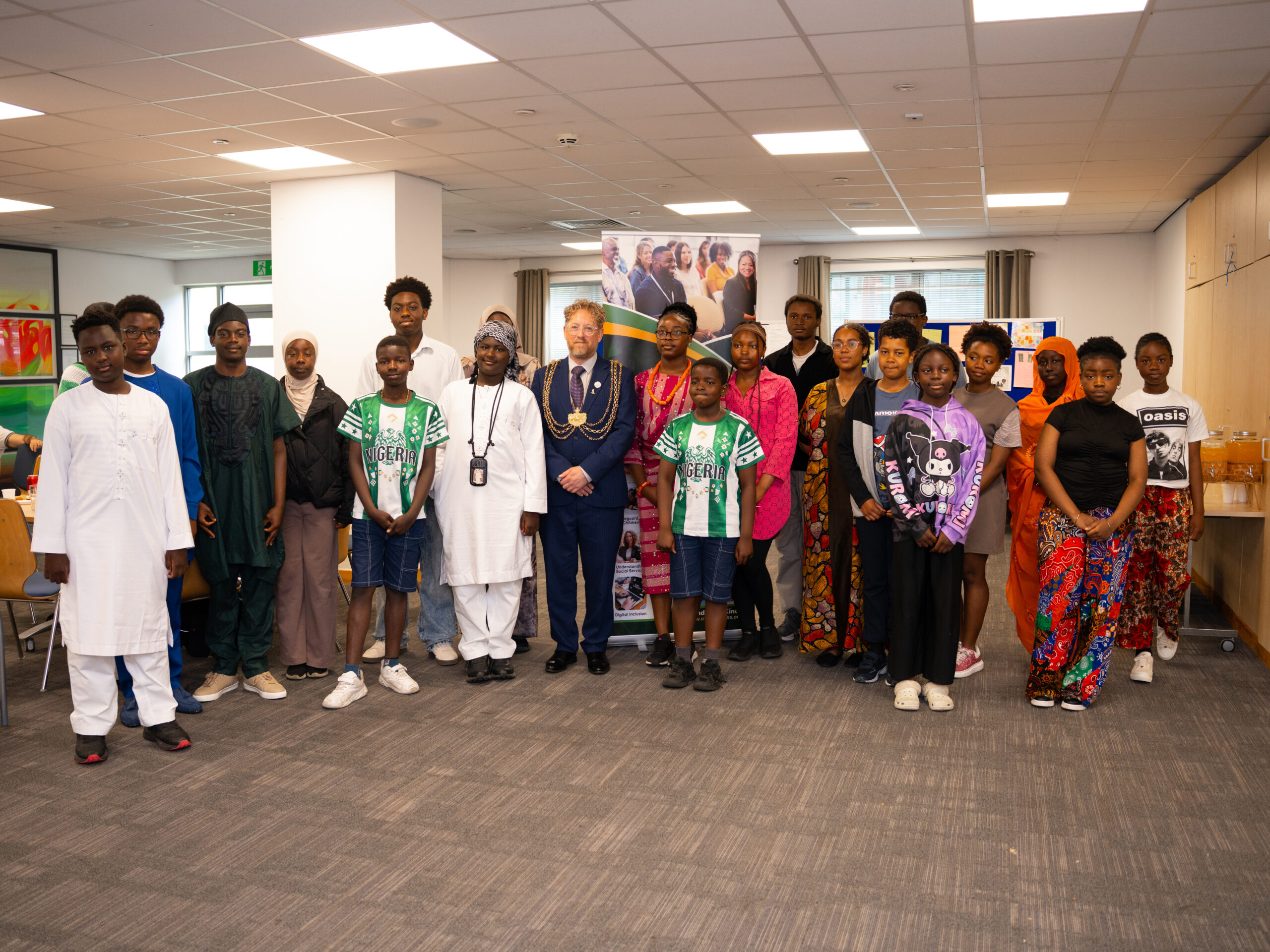
At the heart of the project were 40 young people from the Afrikindness Teens Academy, who took on the role of researchers, advocates and leaders

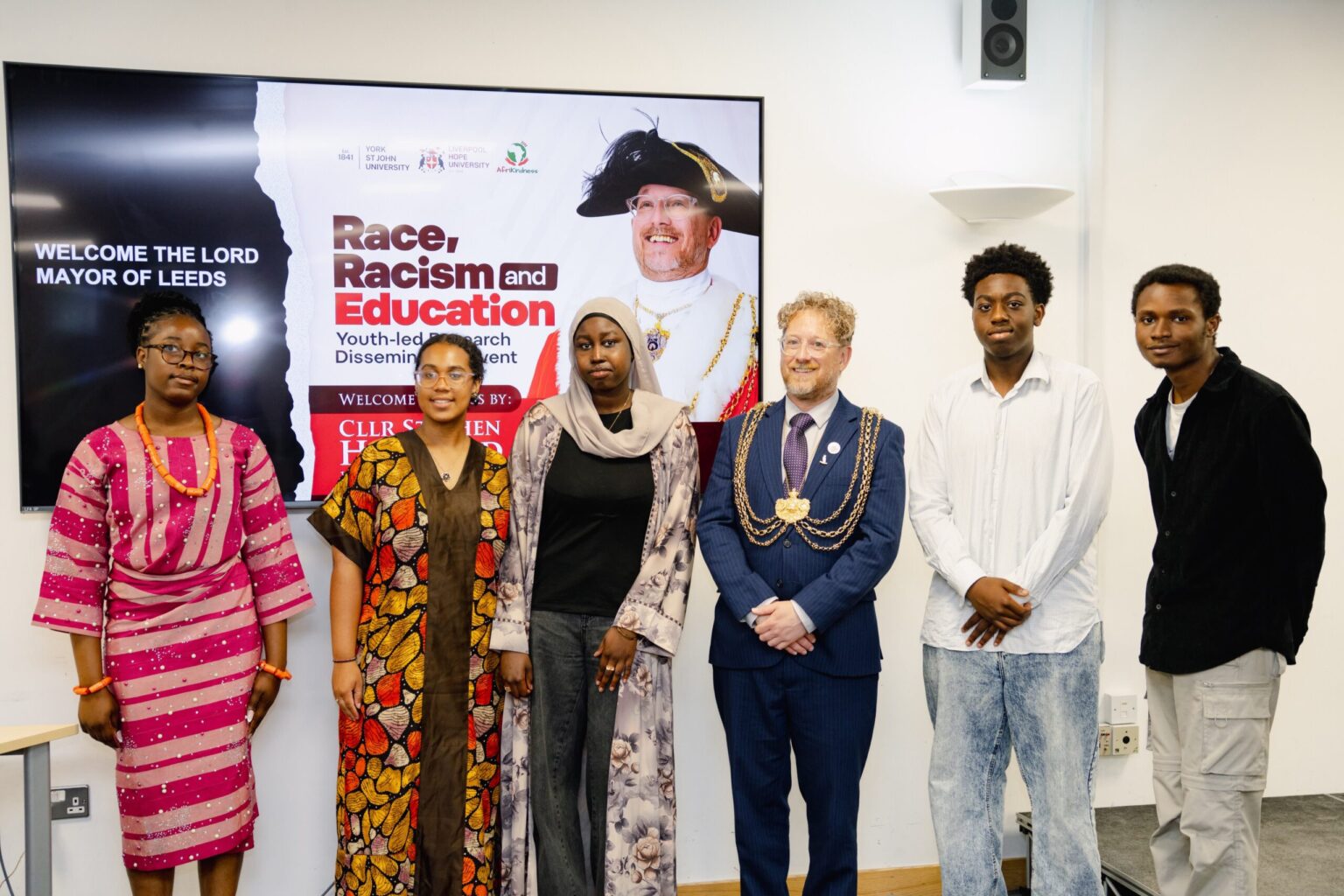
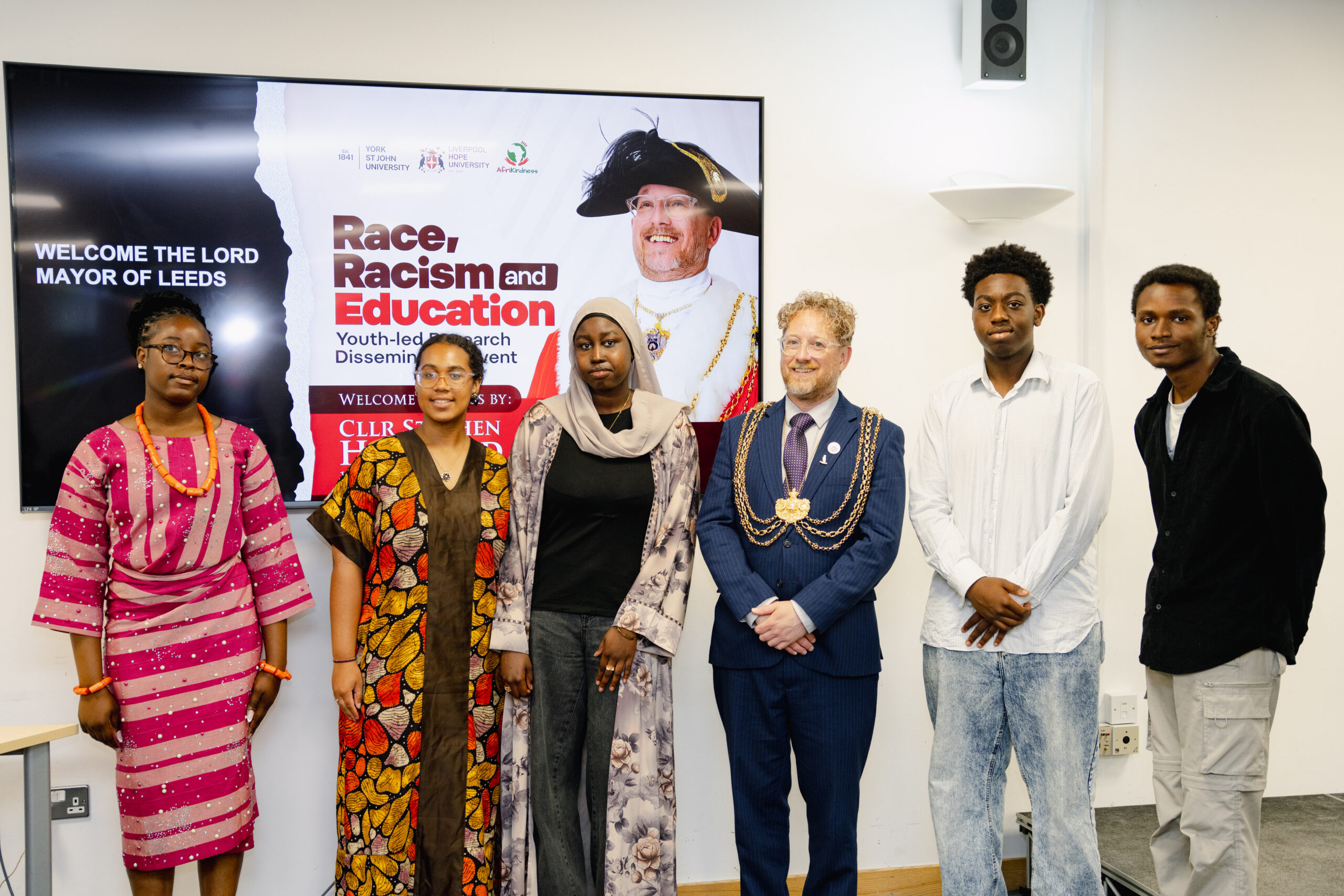
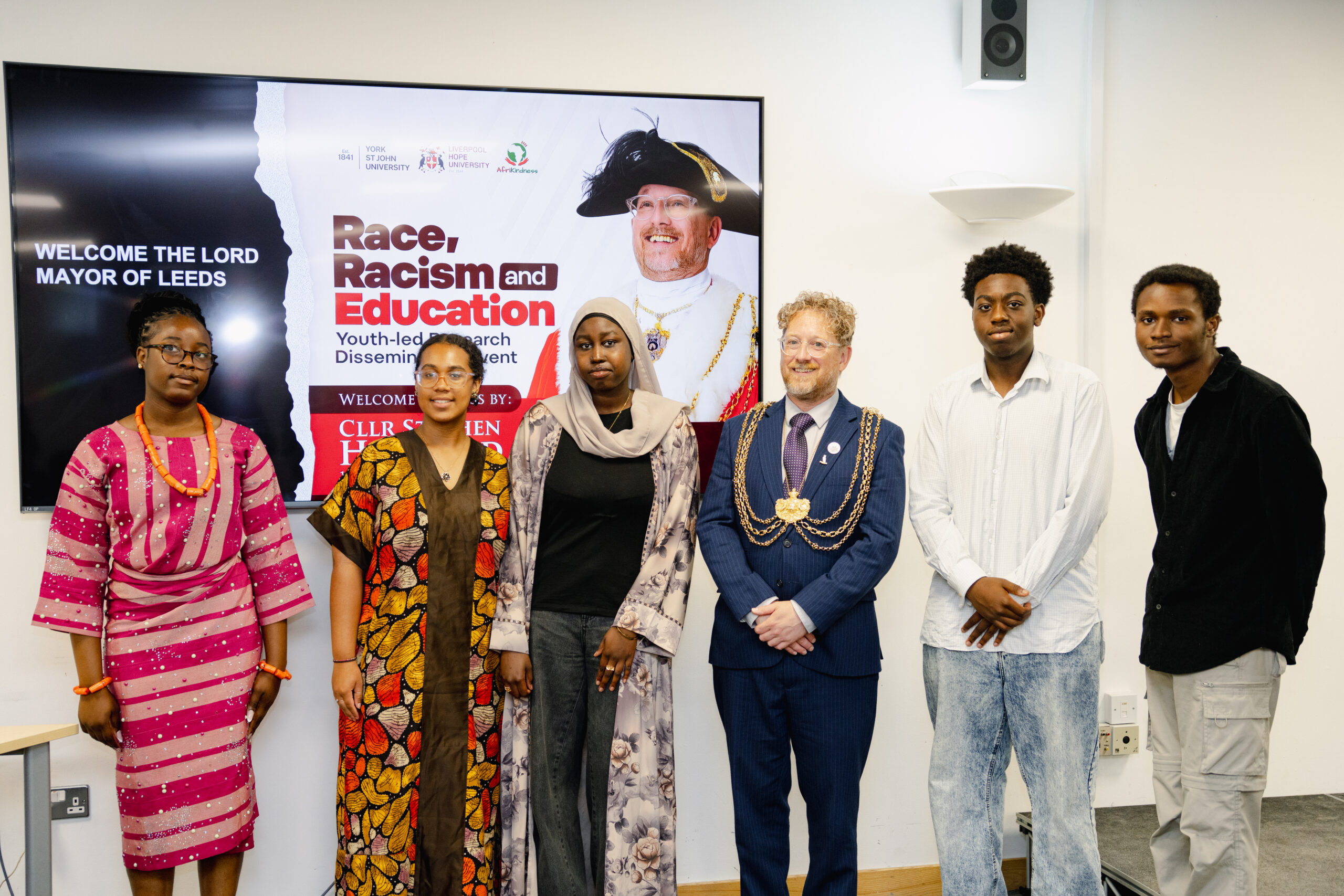
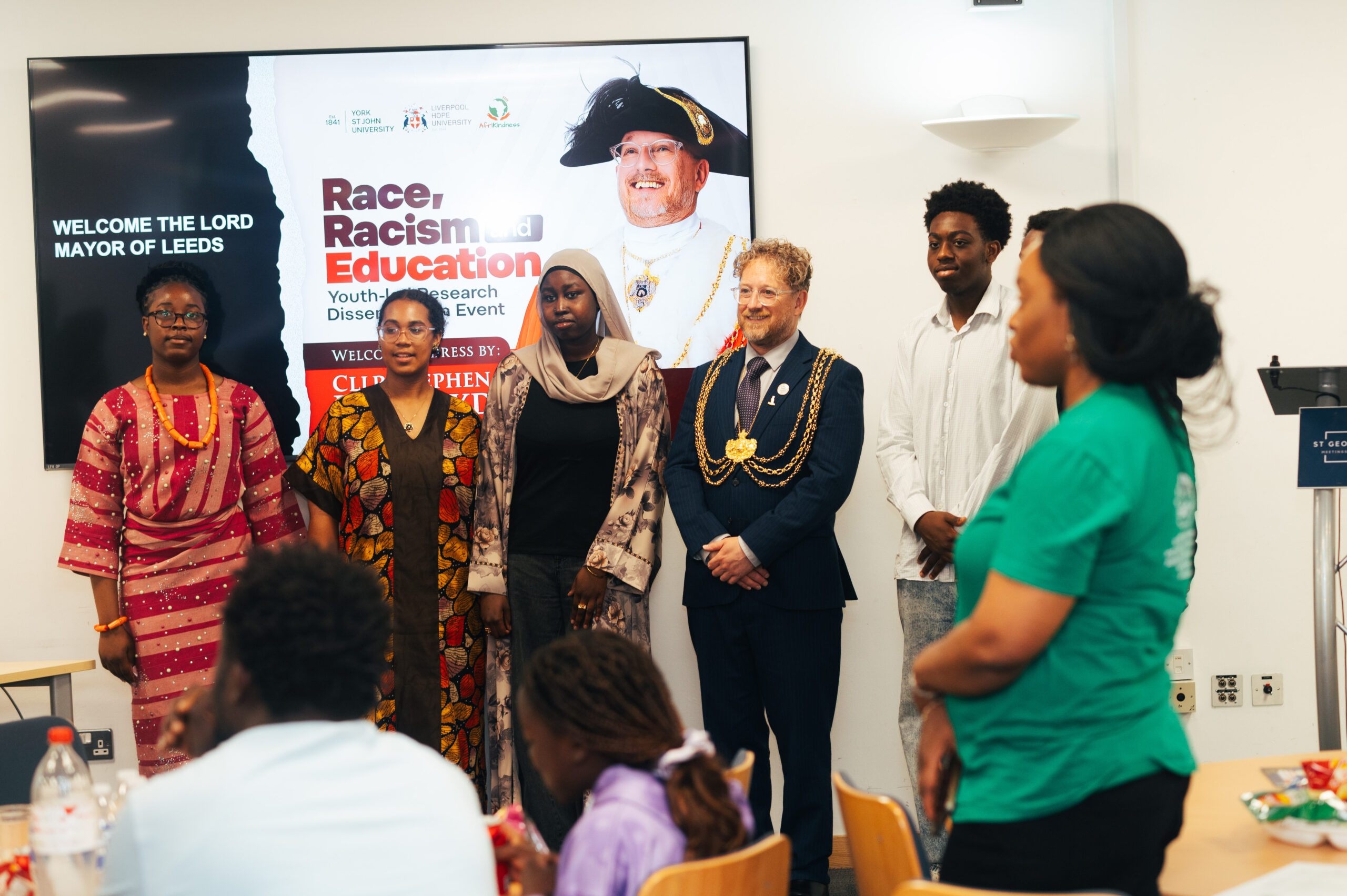
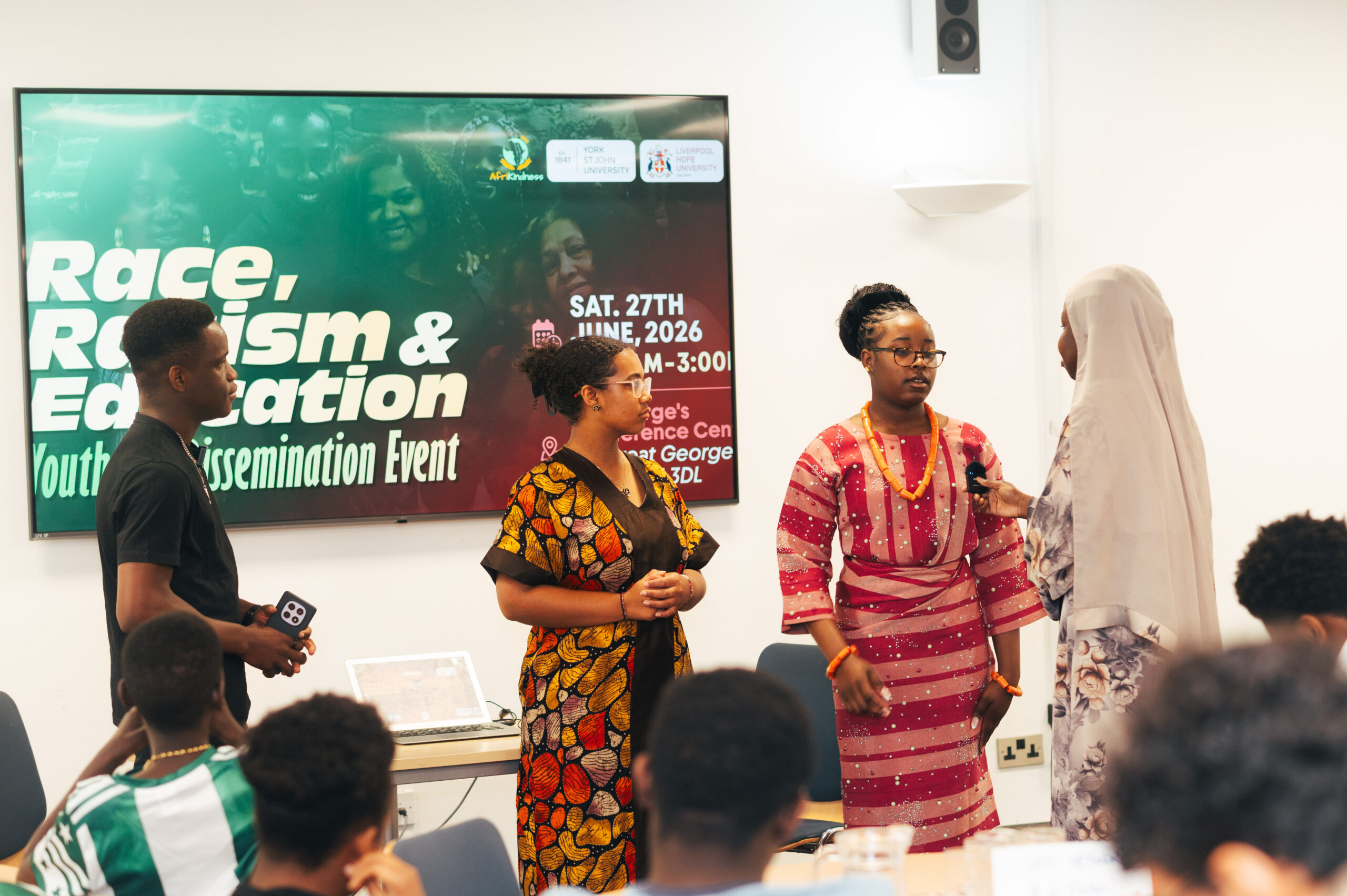
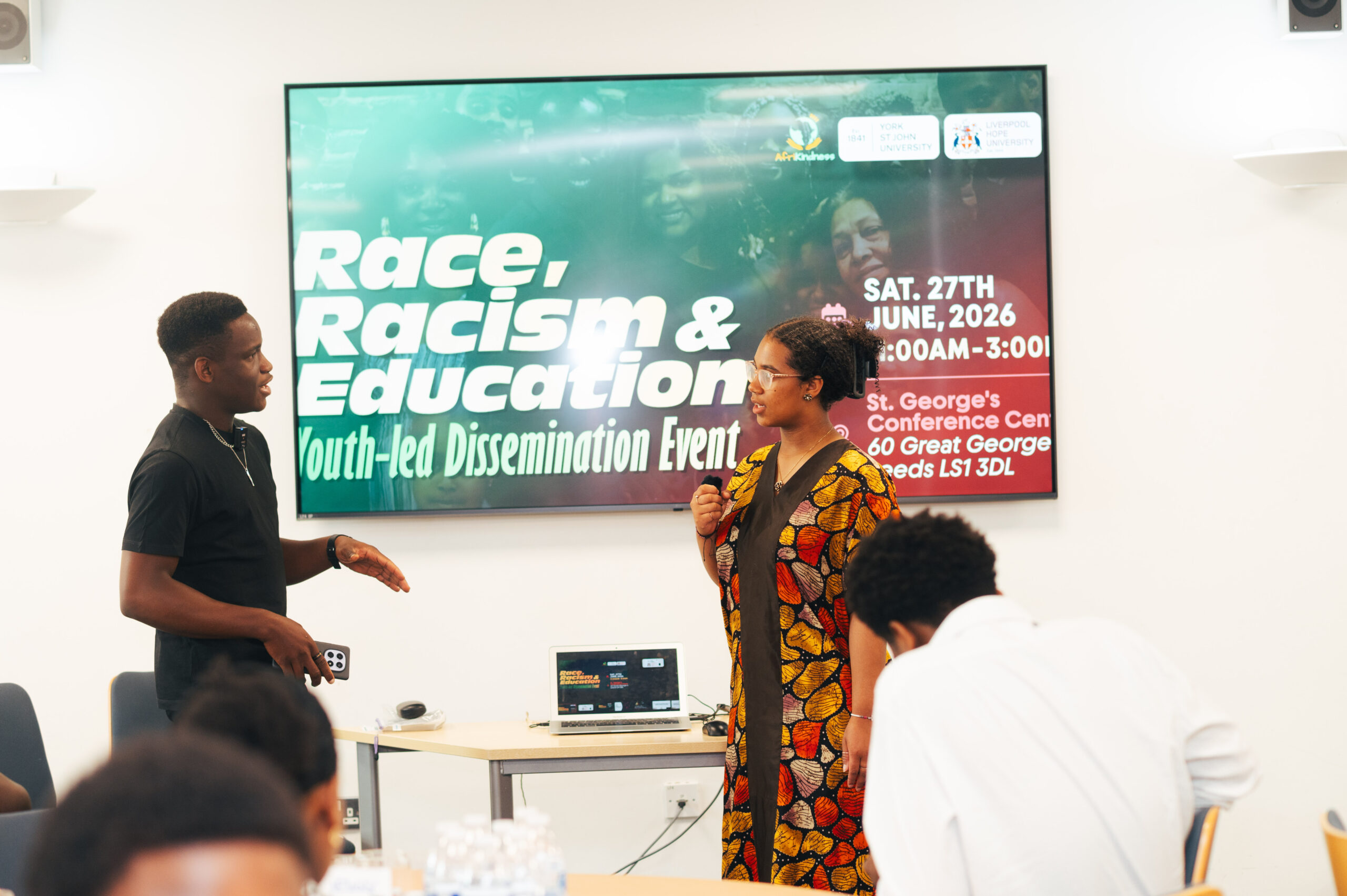
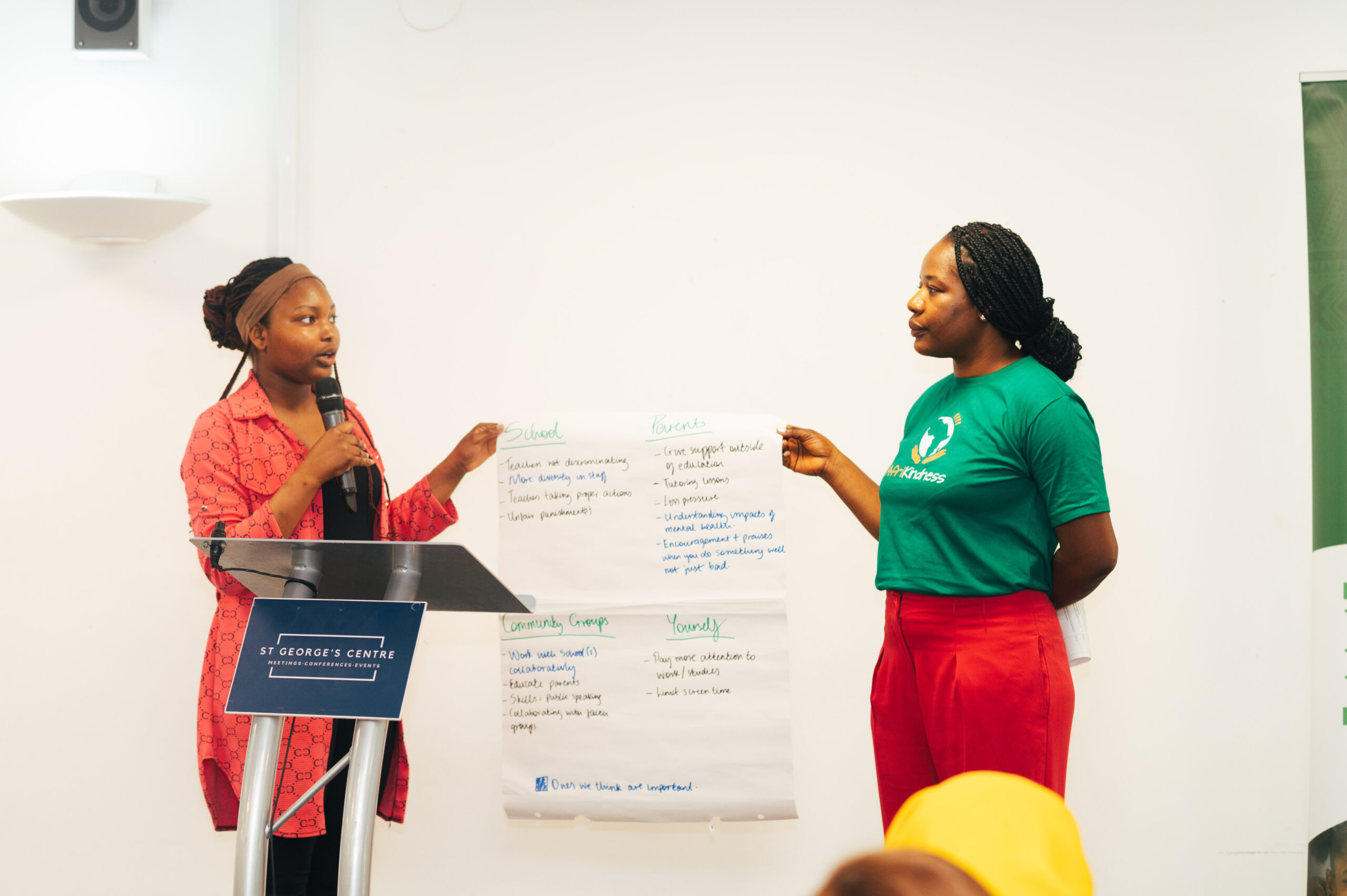
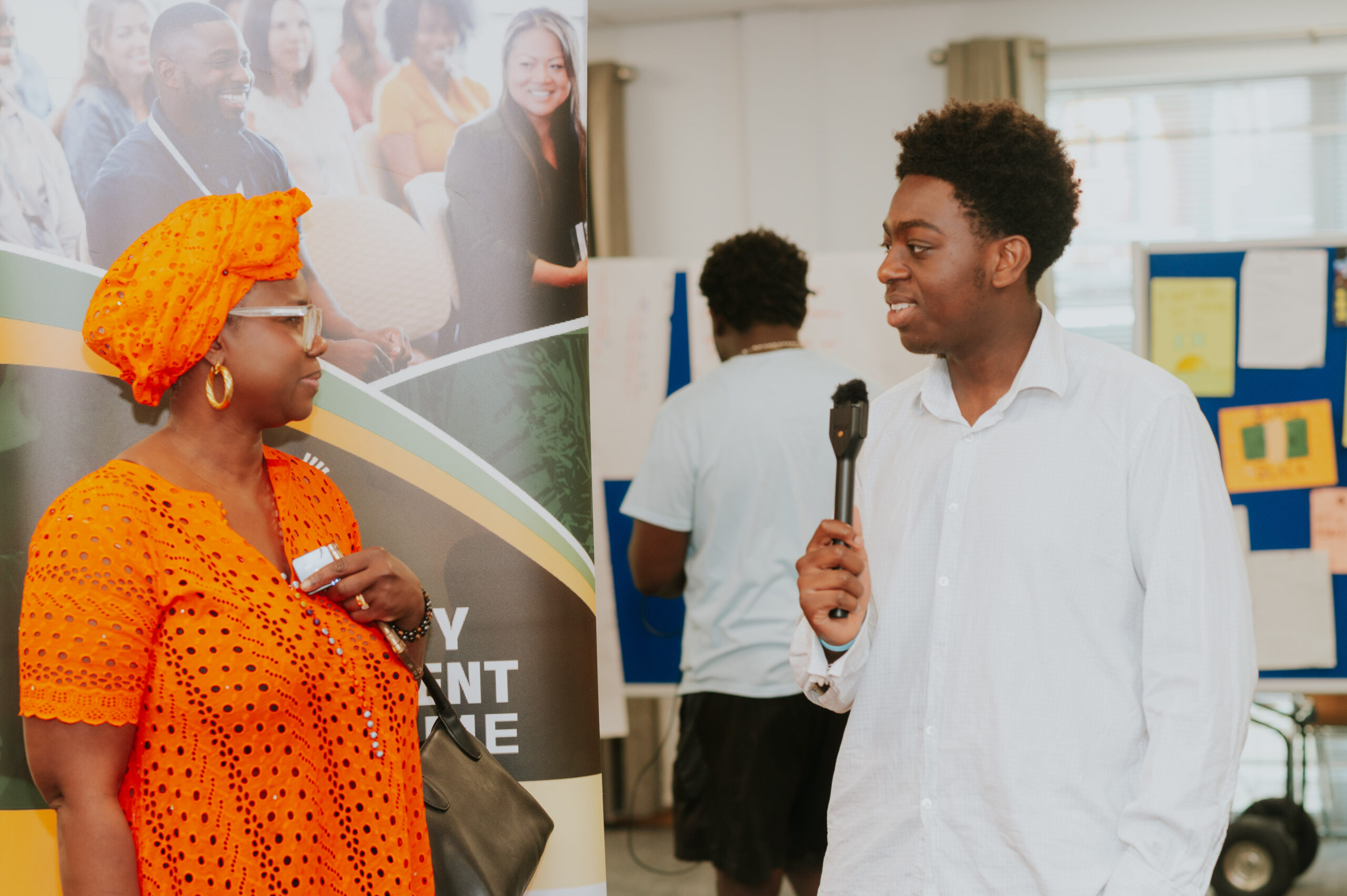
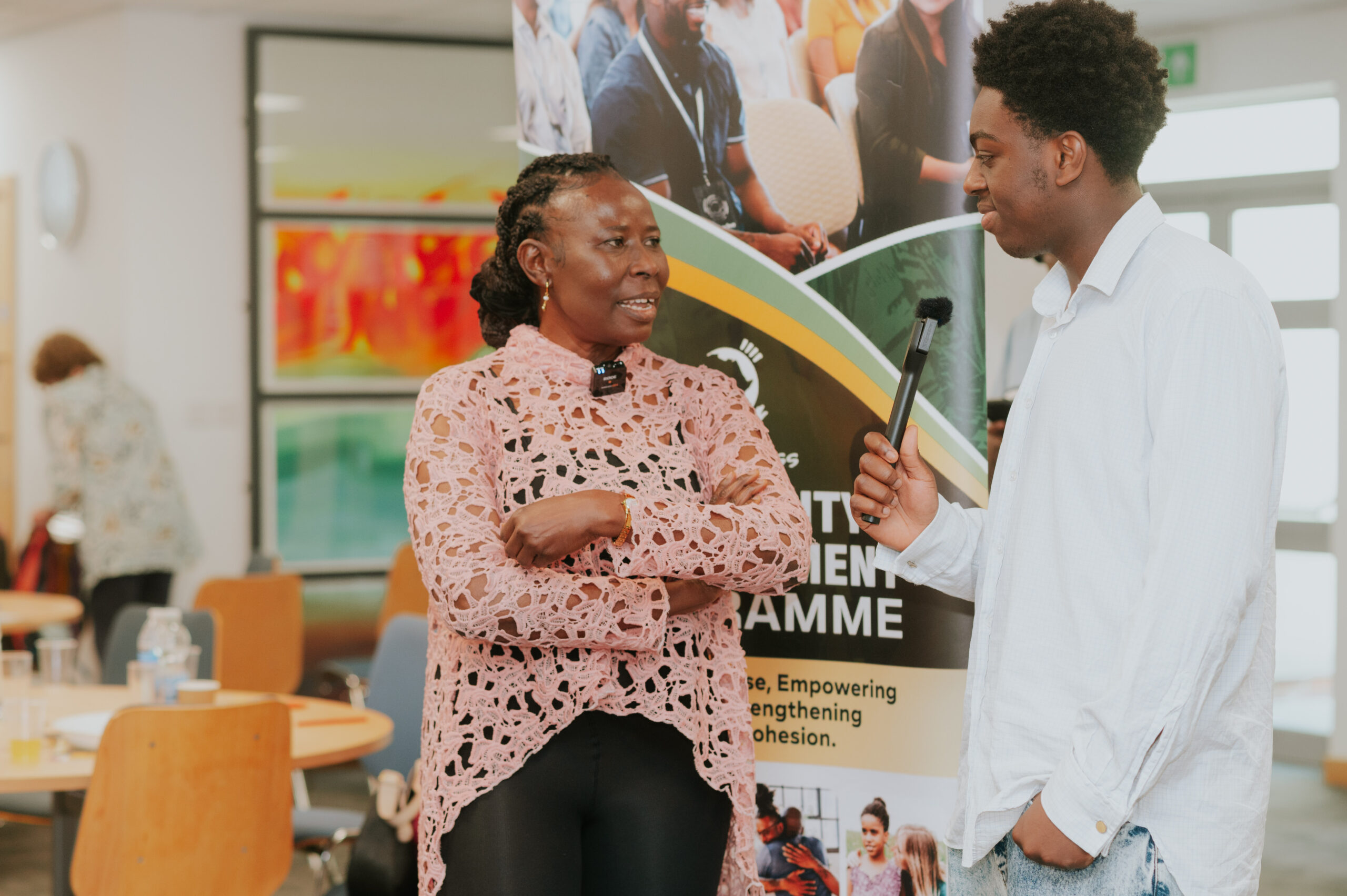
Two Youth Research Ambassadors, Temi O and Ruoeda A, received research training before leading peer-to-peer interviews with other young people, creating safe and relatable spaces for honest conversations around identity, belonging, race, culture, education and lived experiences.
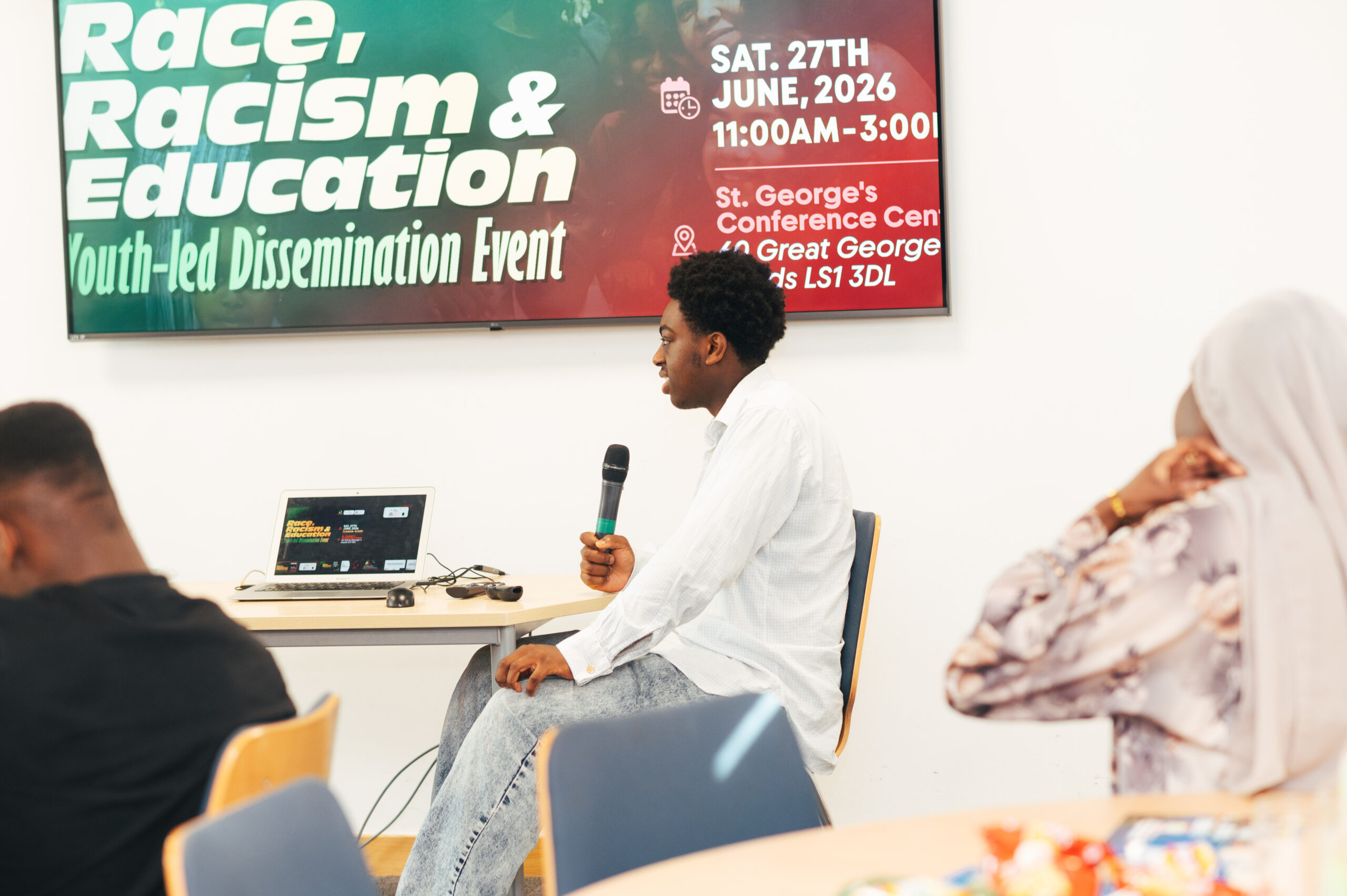
Over the course of the year, participants developed far more than research skills.
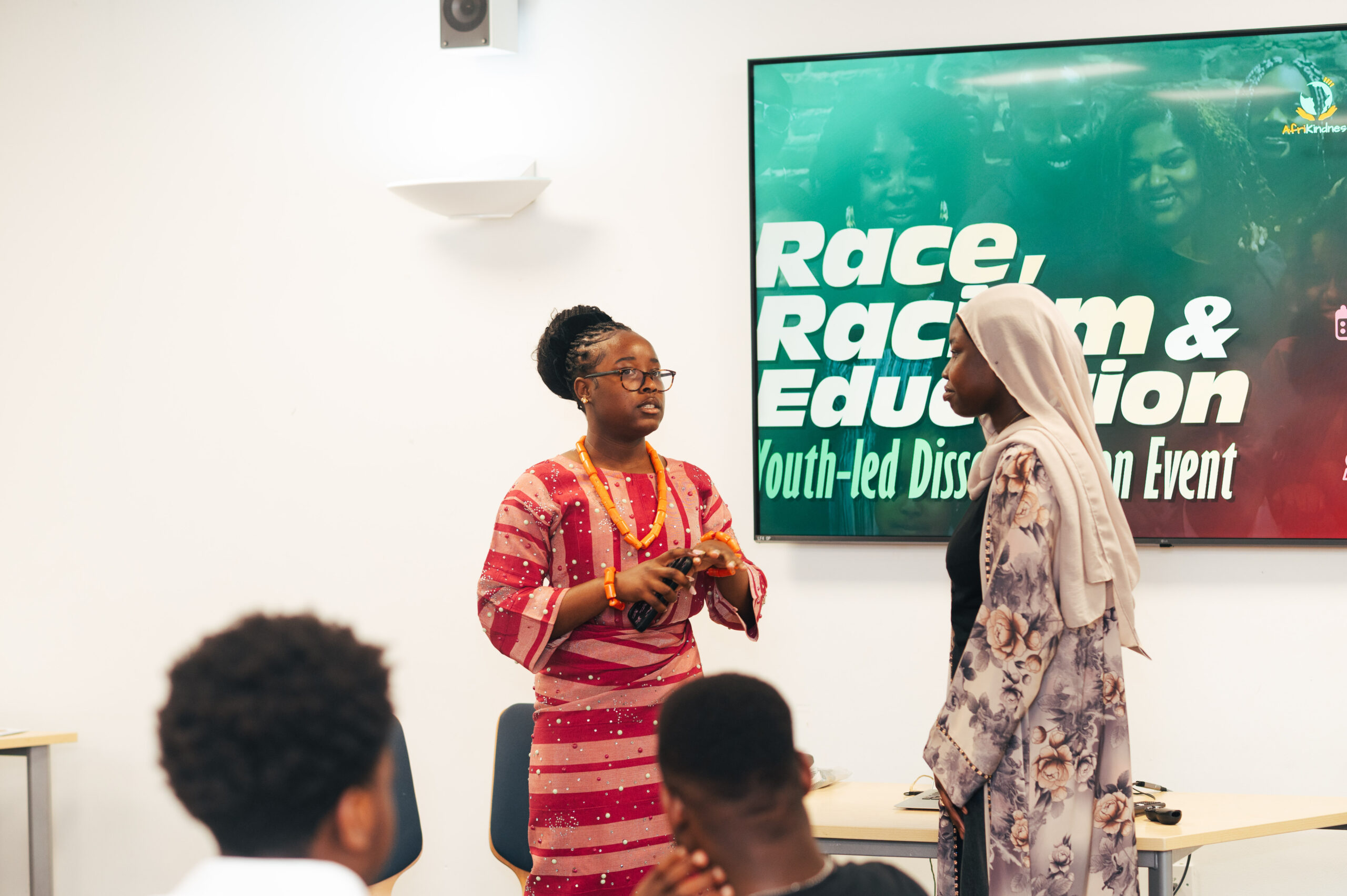
They built confidence.
They strengthened their communication and leadership abilities.

They learned how to ask meaningful questions, listen with empathy, analyse information, and present their ideas to wider audiences.

Many of the young people involved are from communities that are often underrepresented in research and decision-making. Through this project, they discovered that their voices matter and that their lived experiences can influence practice, policy, and community understanding.

Beyond contributing to an important body of research, the project provided participants with invaluable lifelong skills. Young people developed confidence in public speaking, interviewing, communication, teamwork, leadership, critical thinking and presentation skills. They gained first-hand experience of academic research, learned how evidence can influence policy and practice, and discovered the power of using their voices to create positive change within their communities.

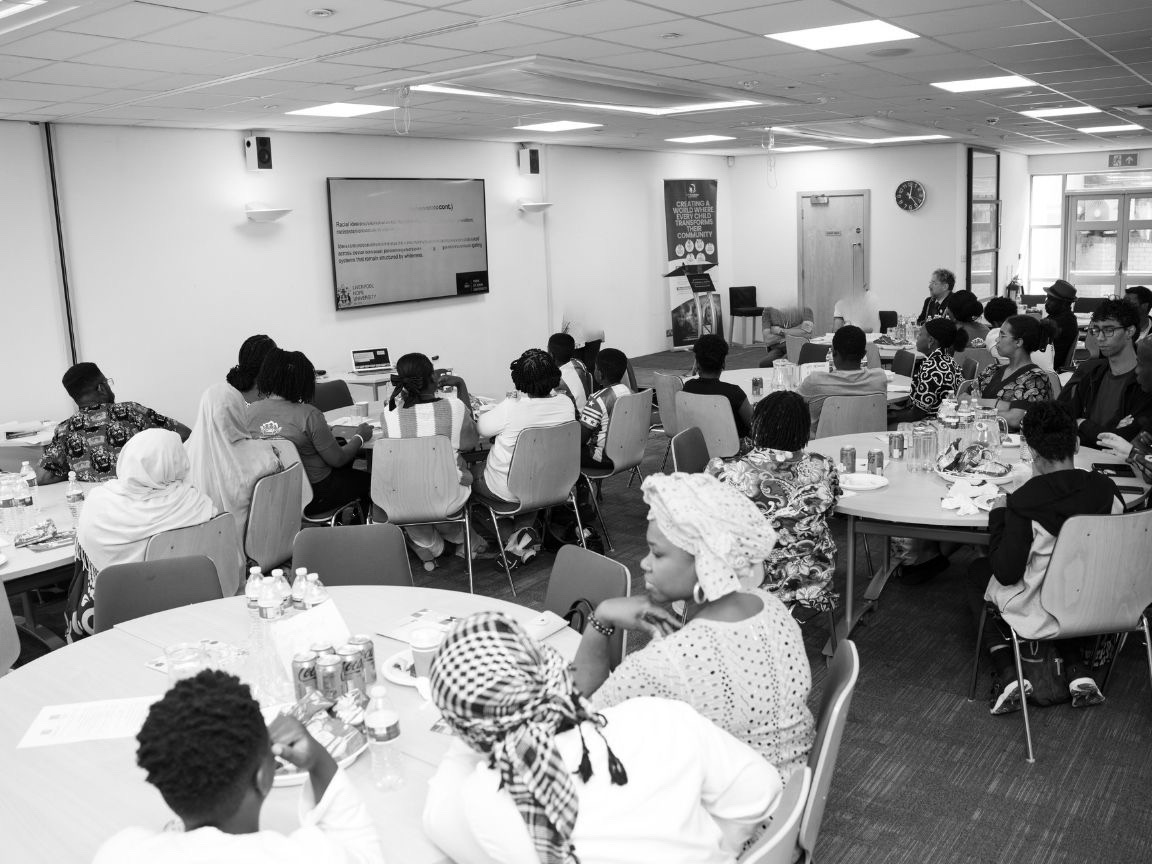
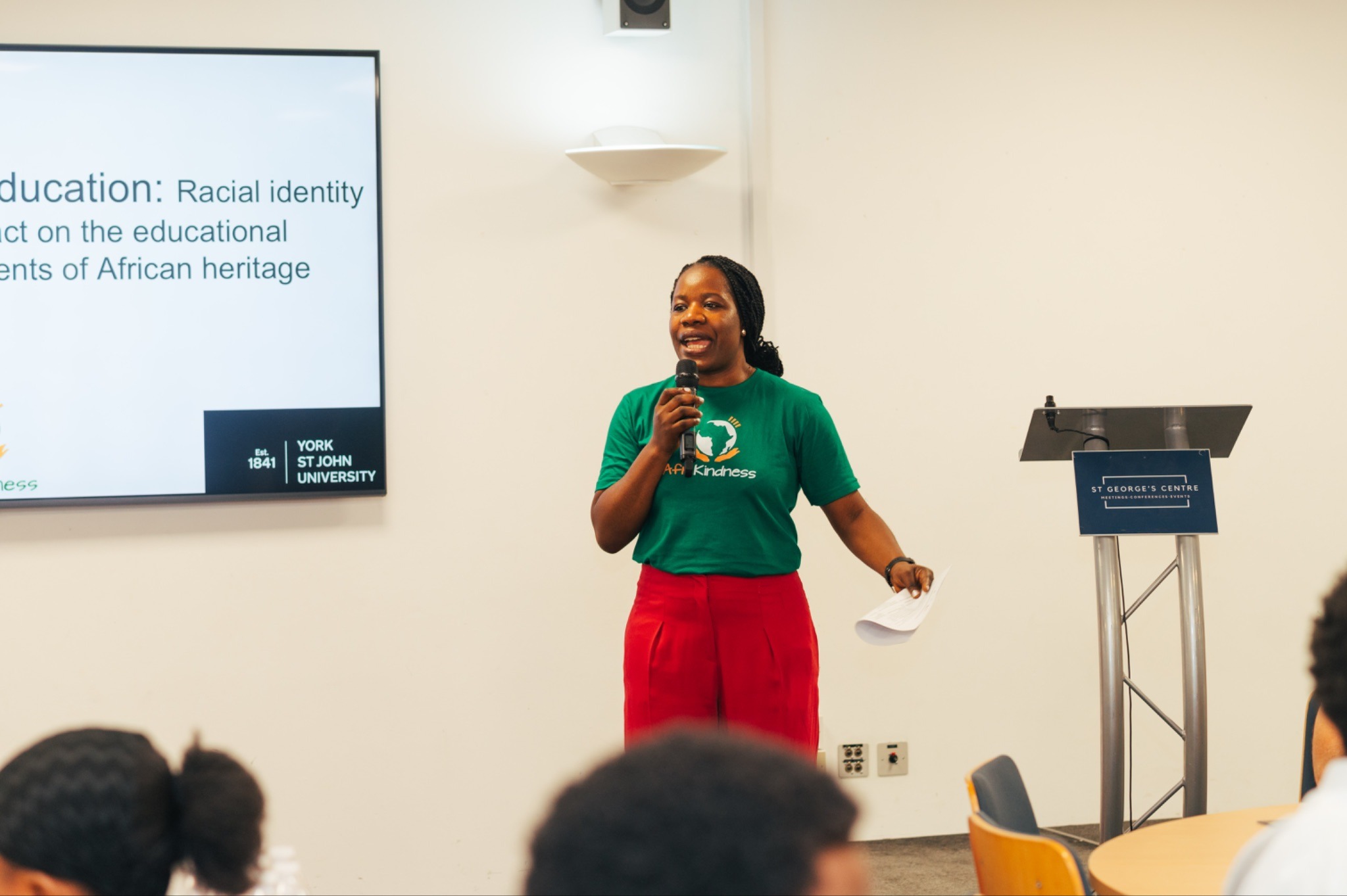
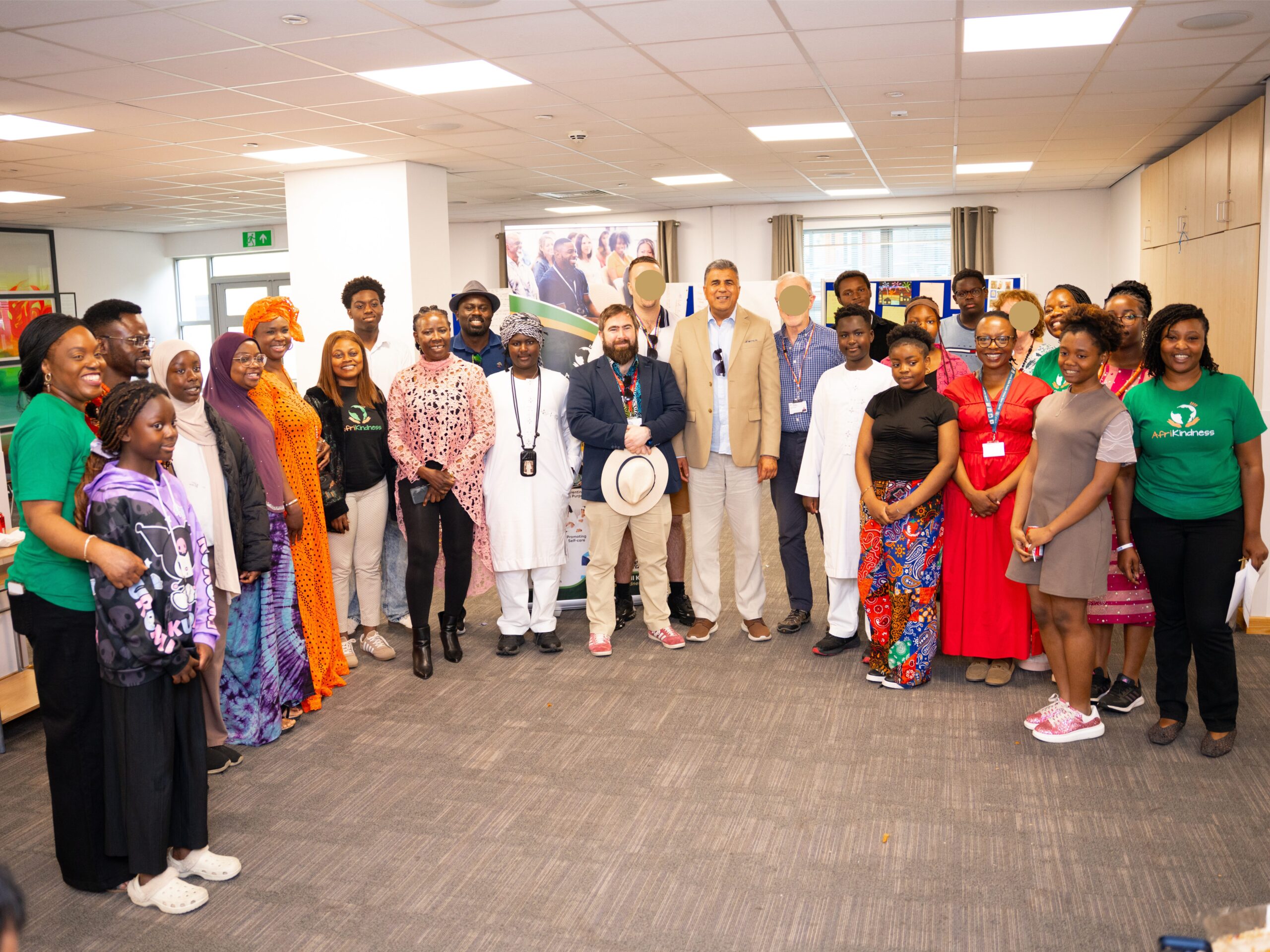
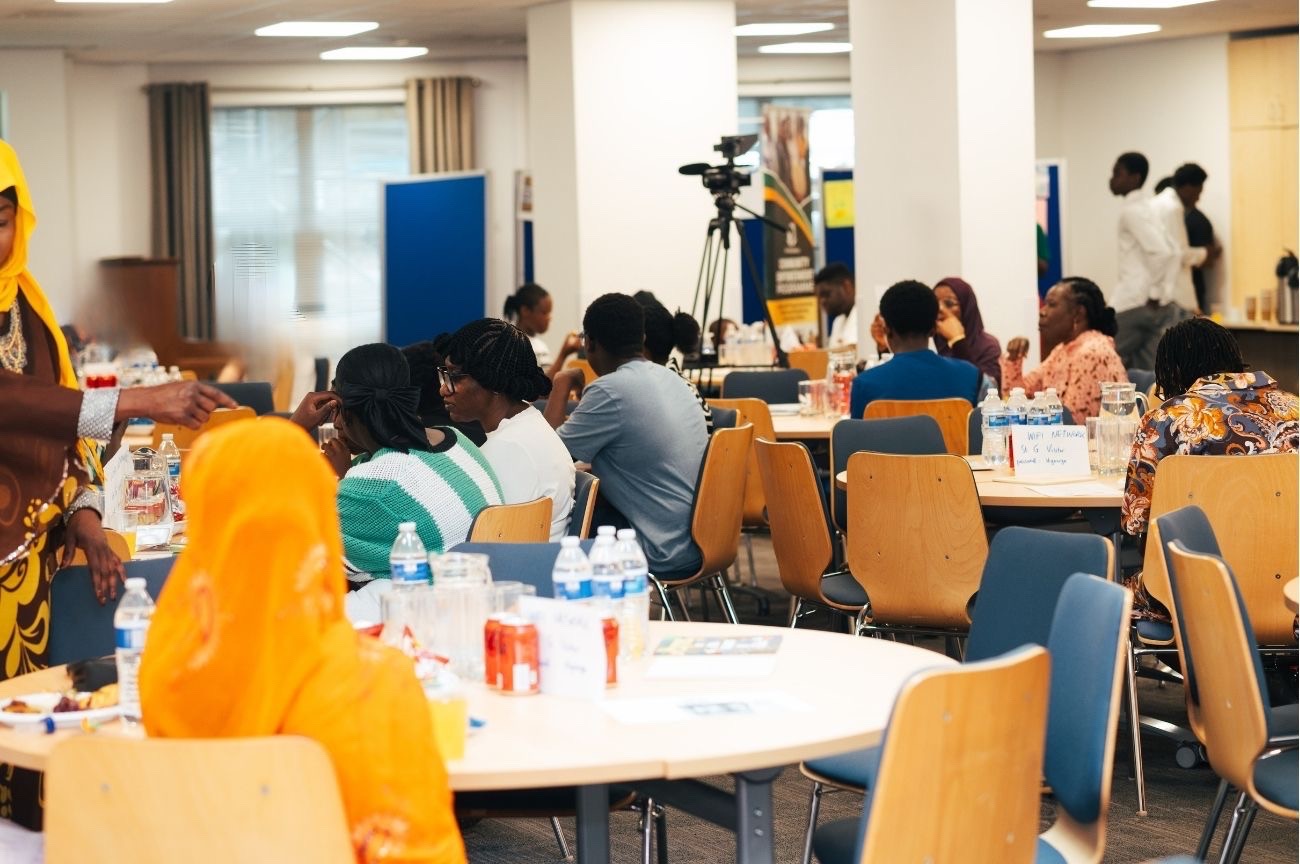
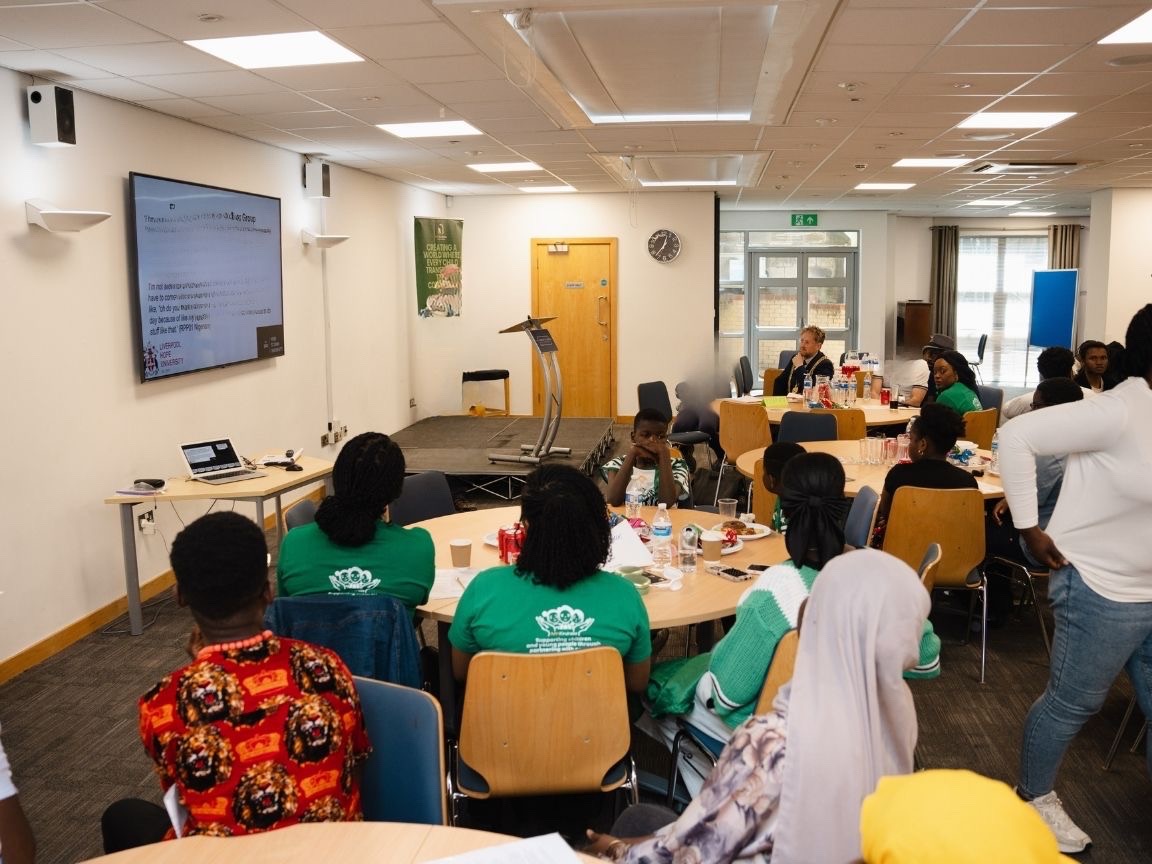
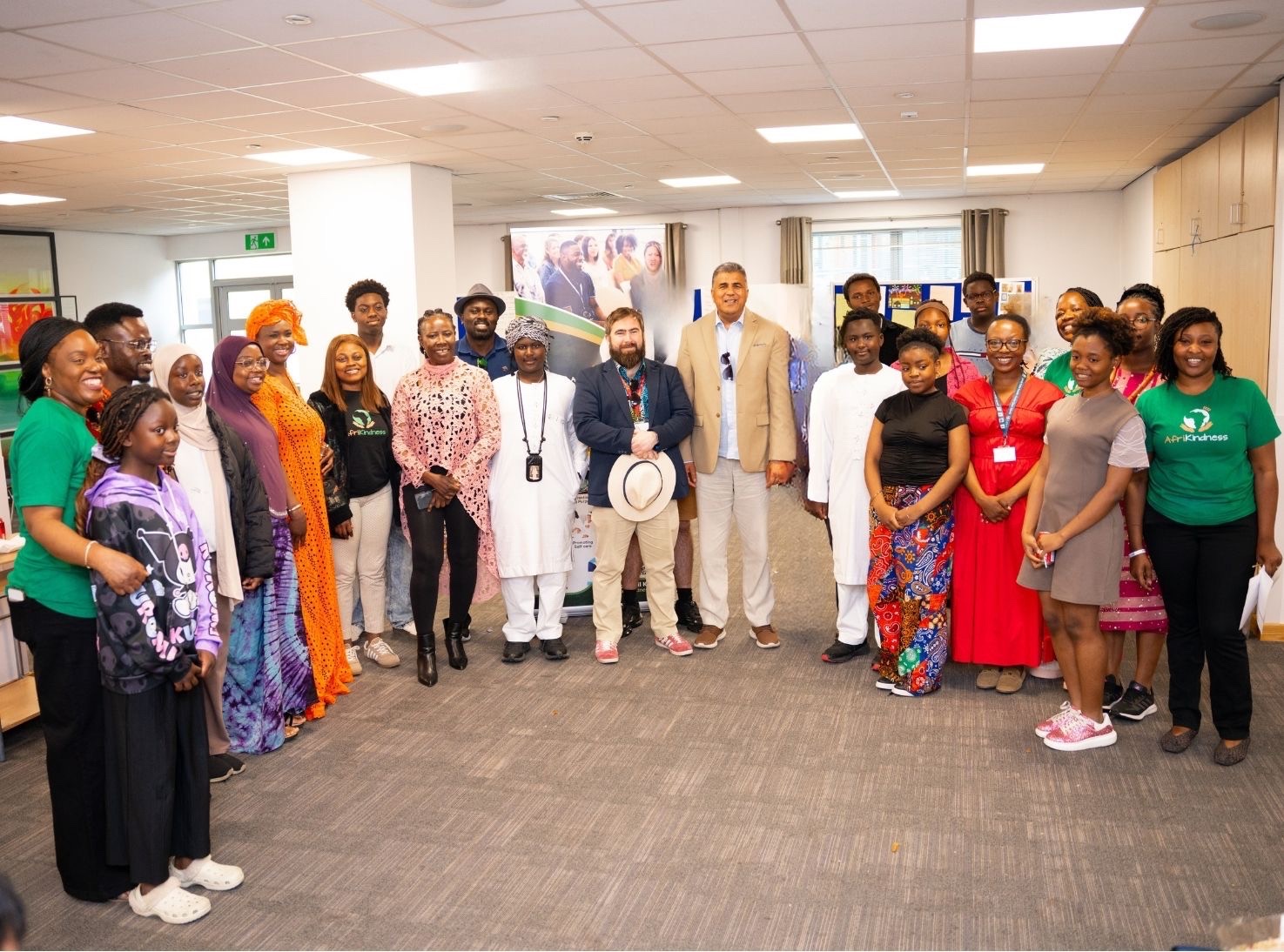
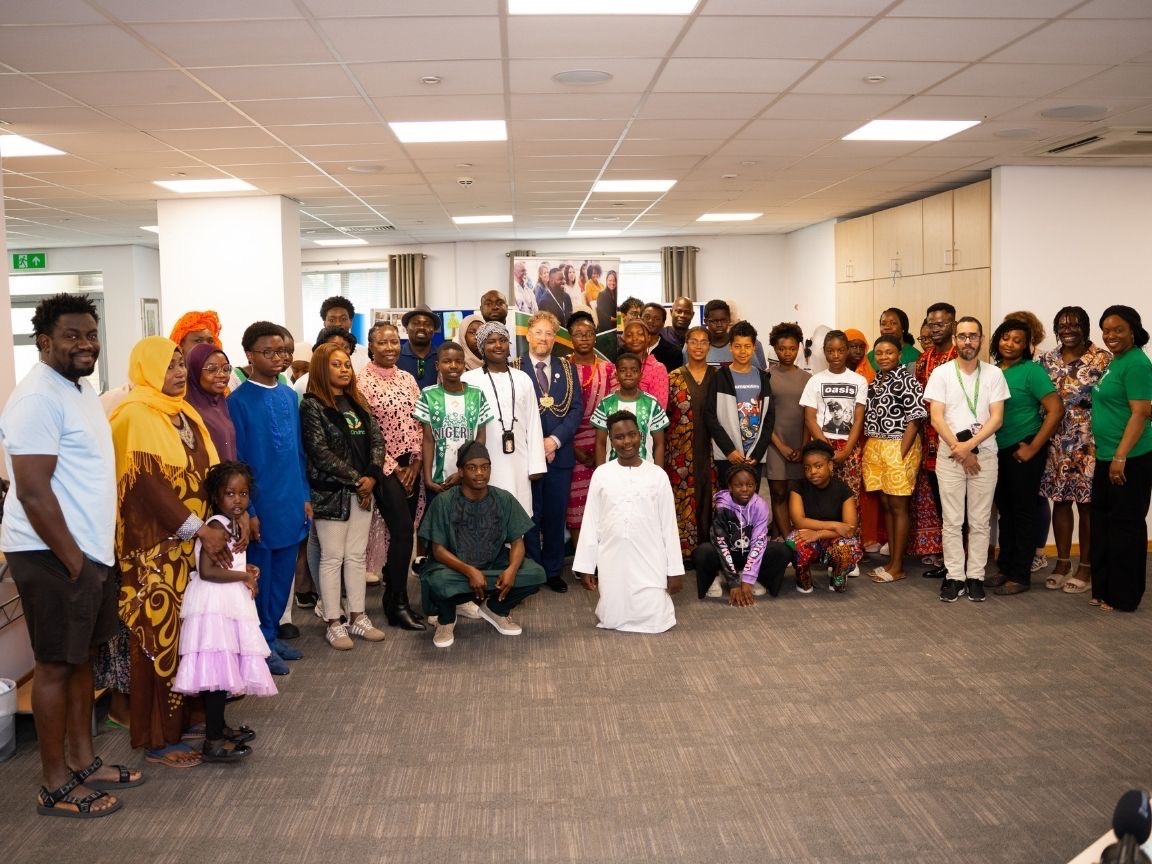
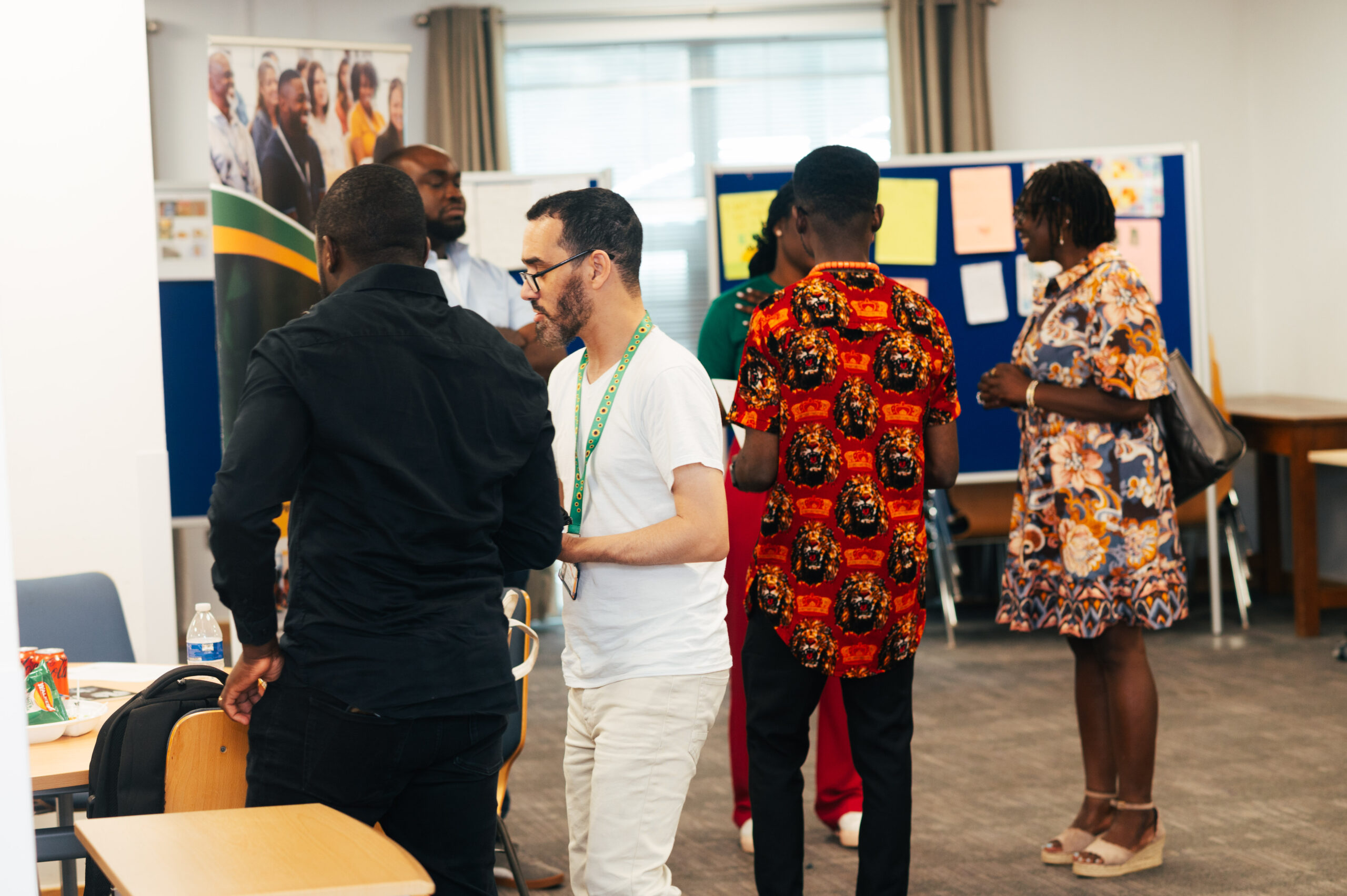
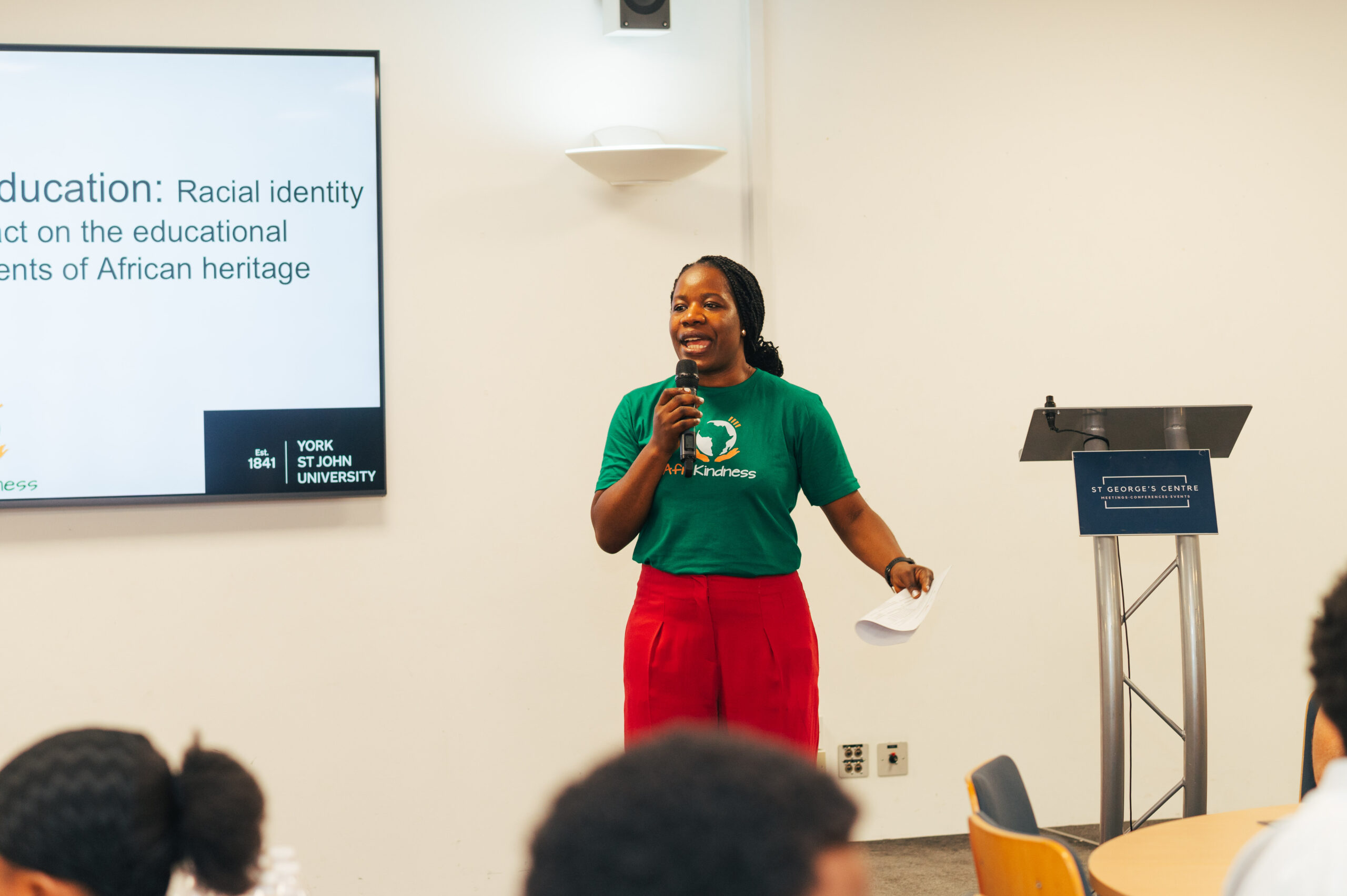
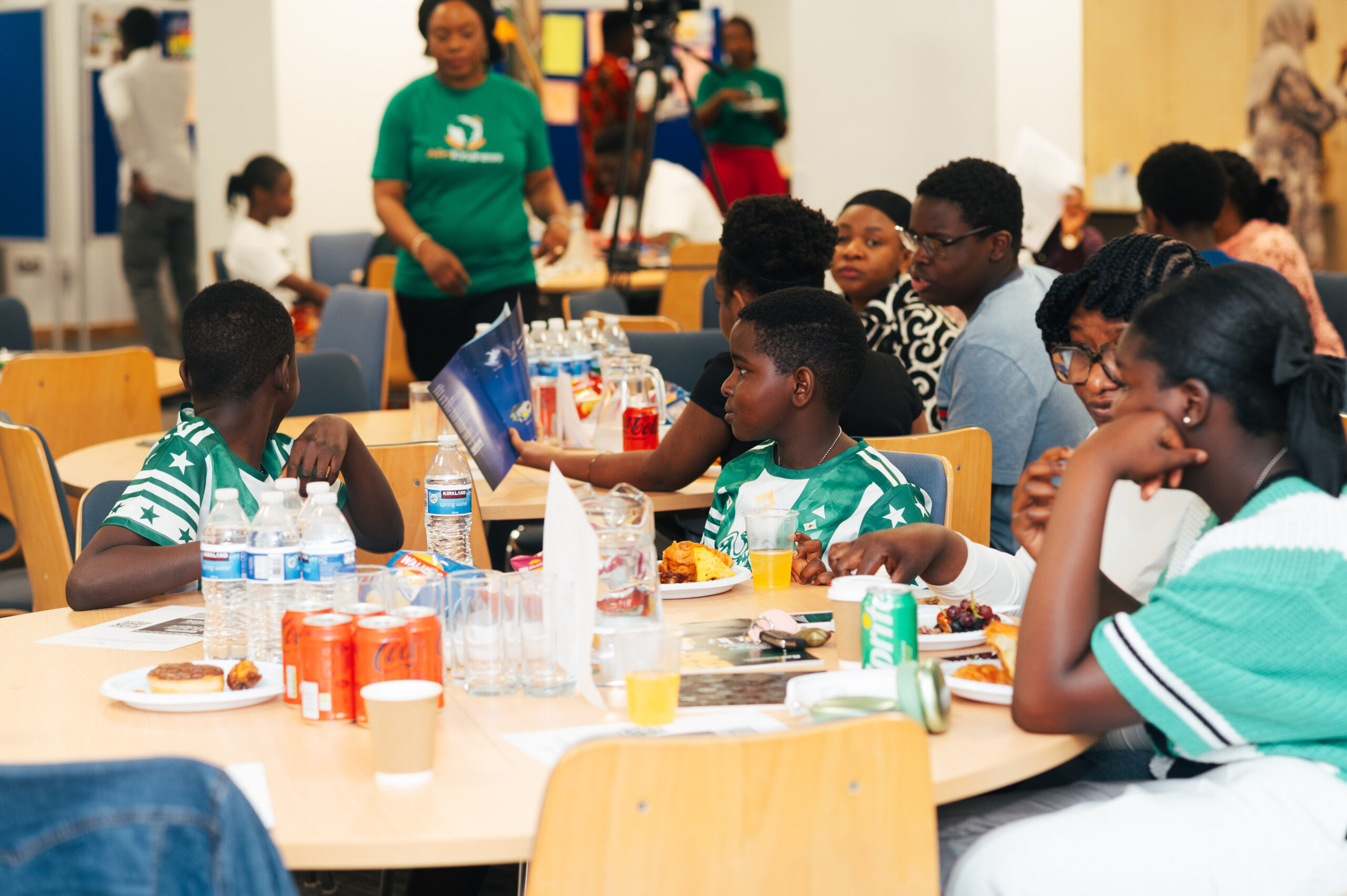
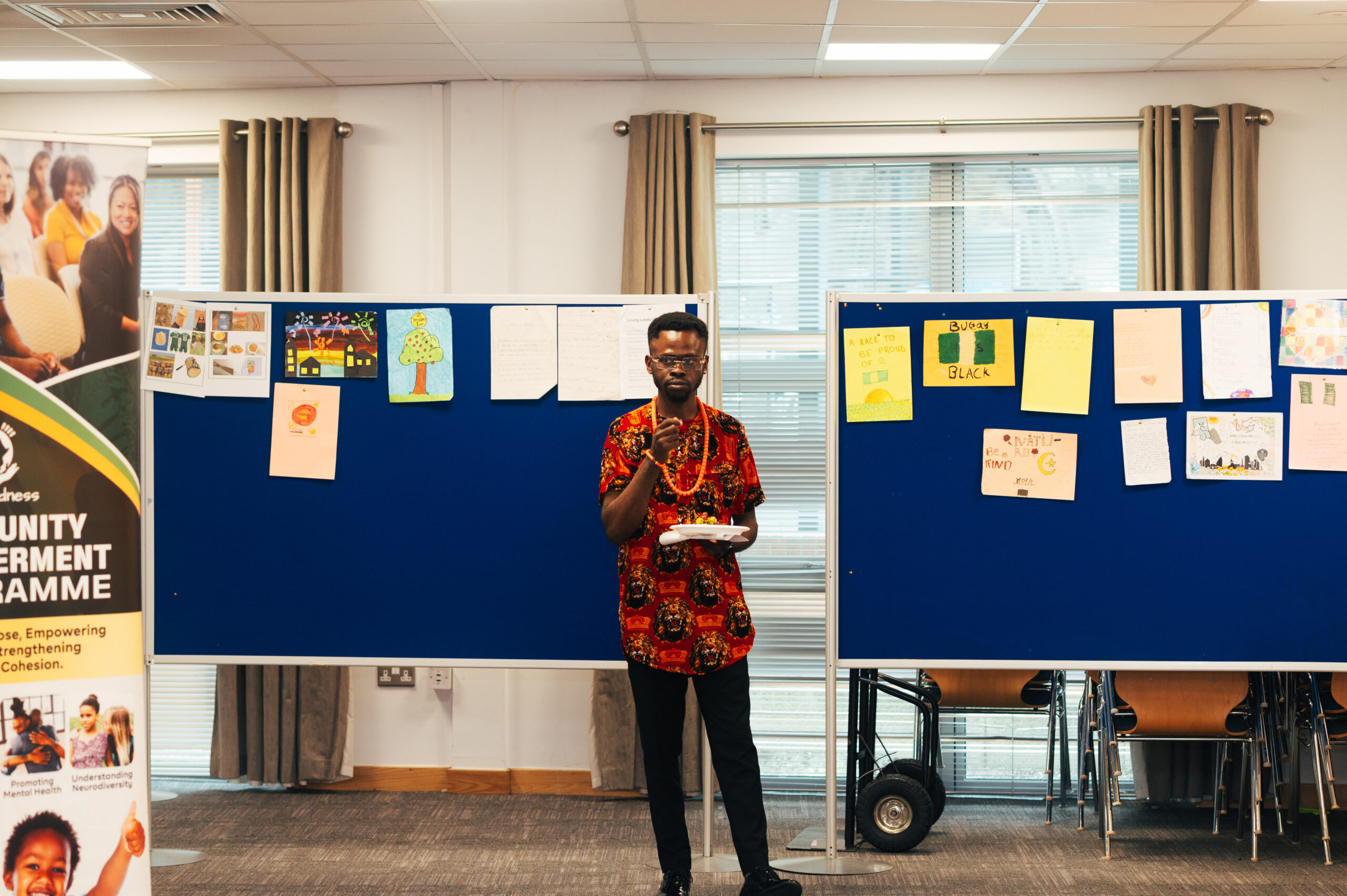
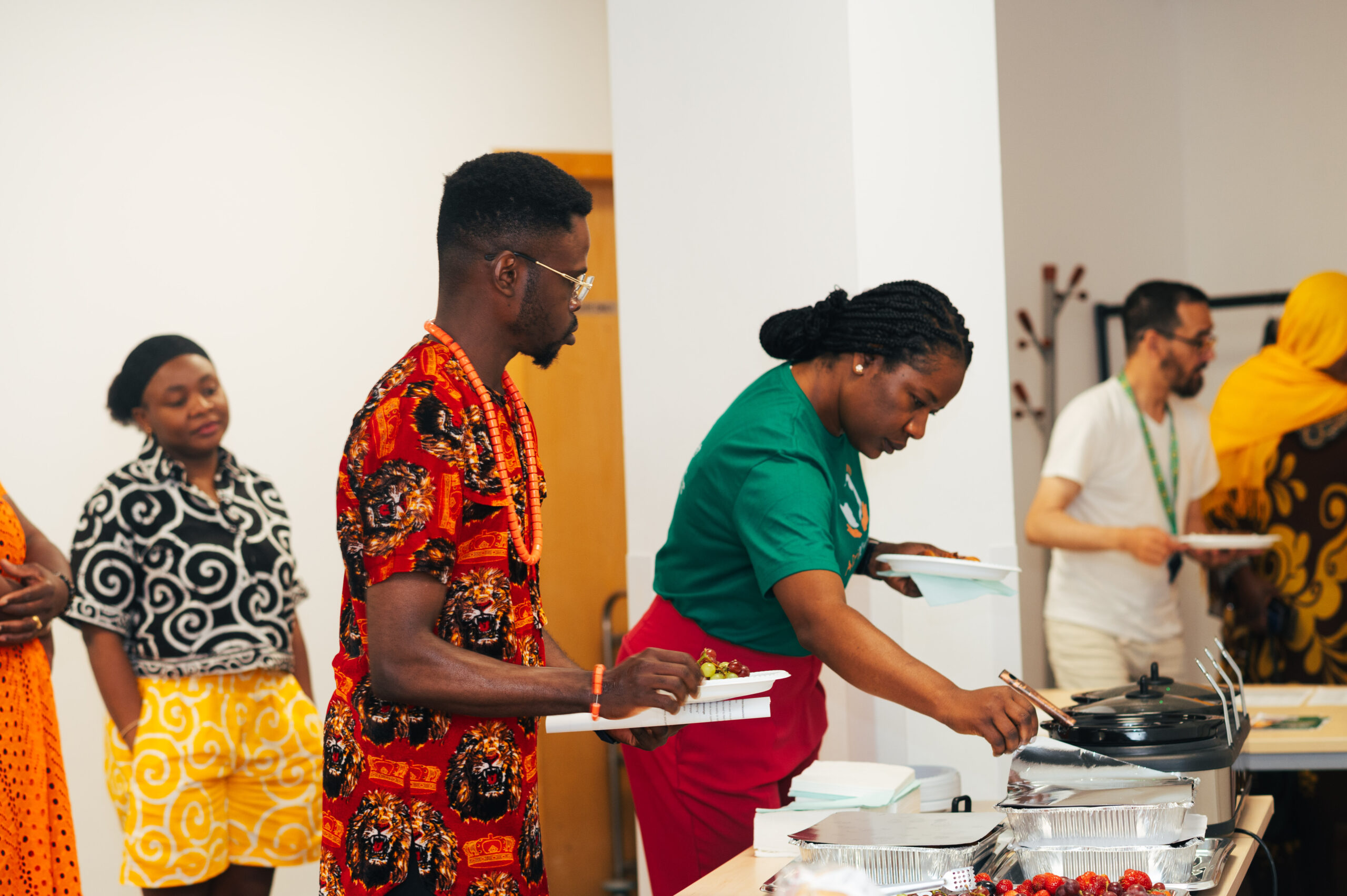
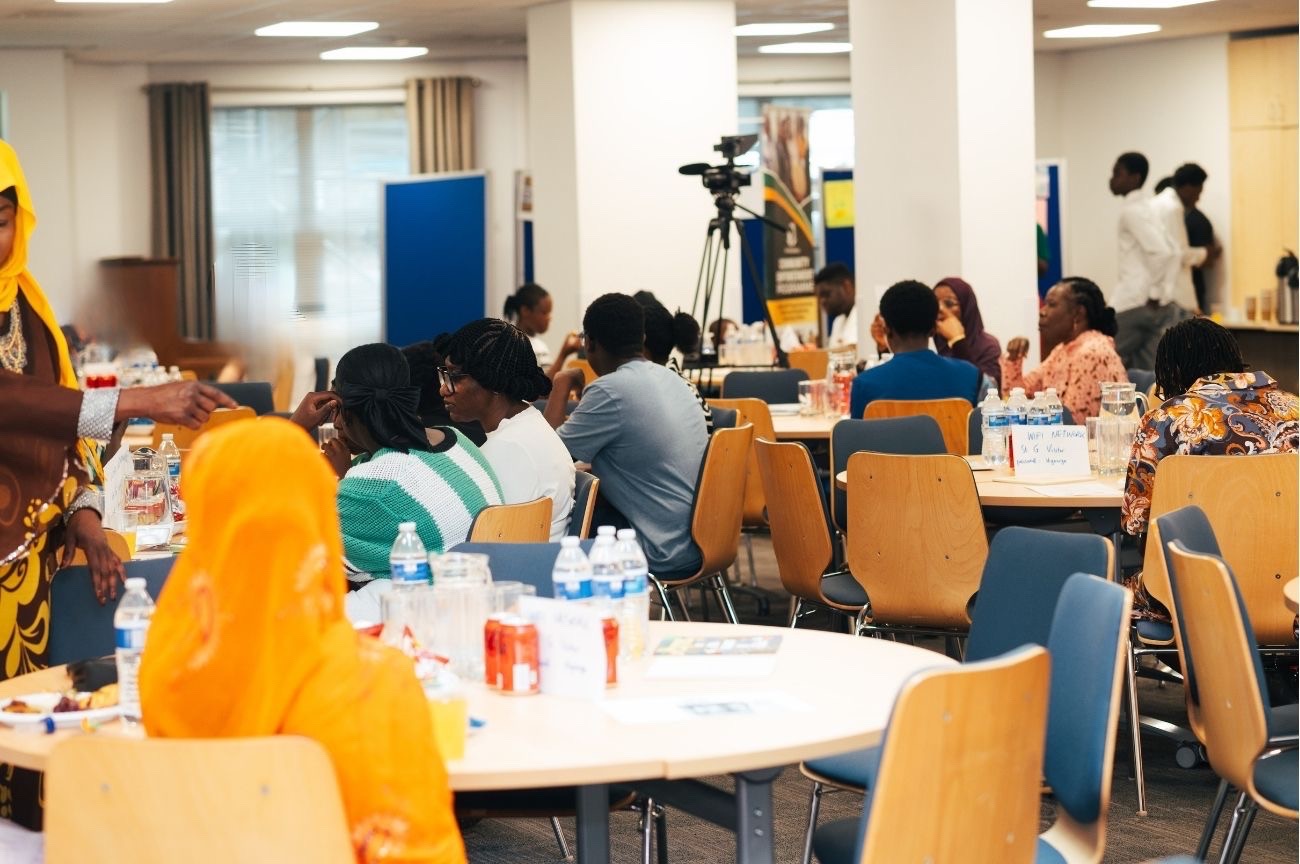
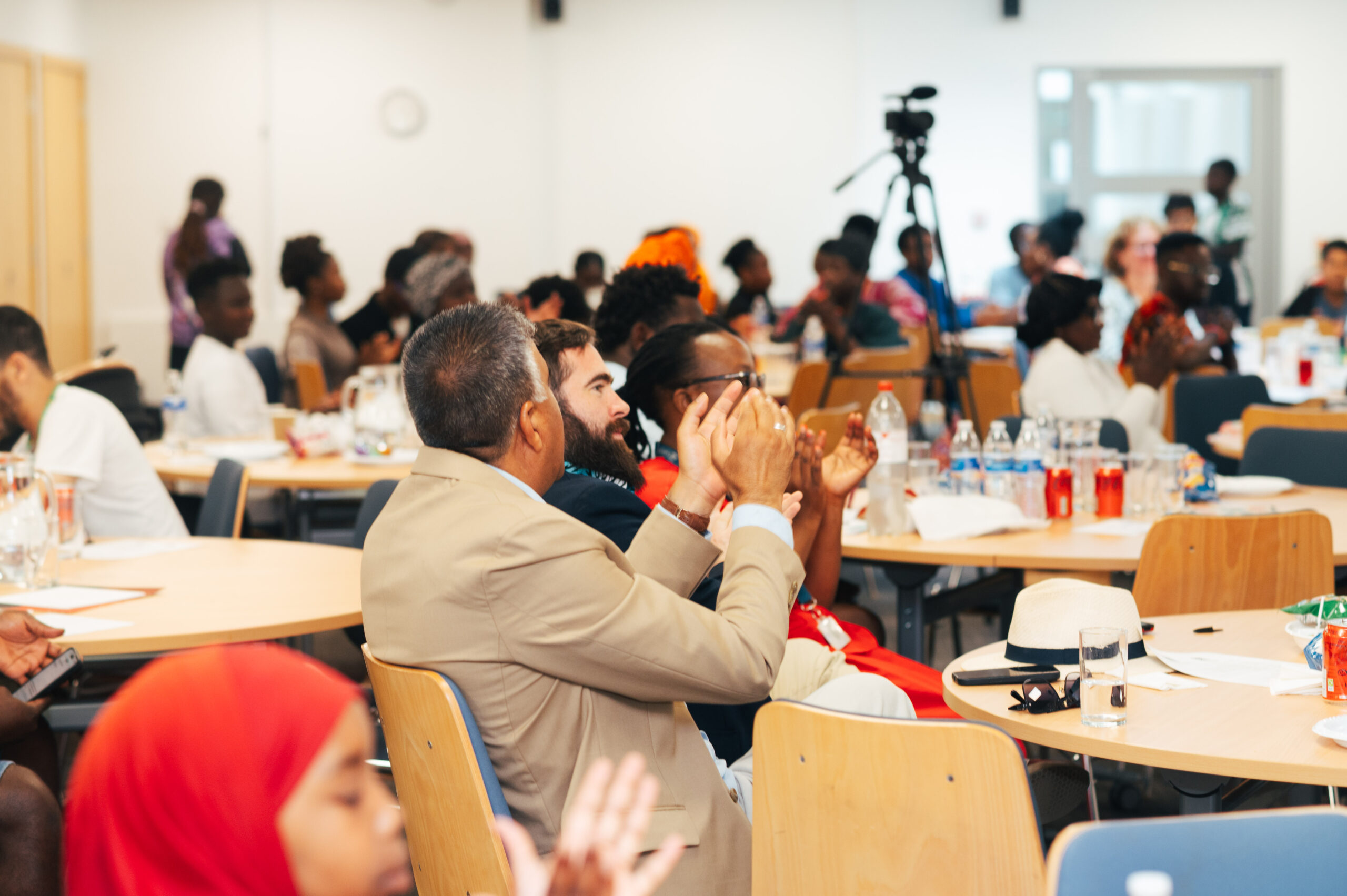
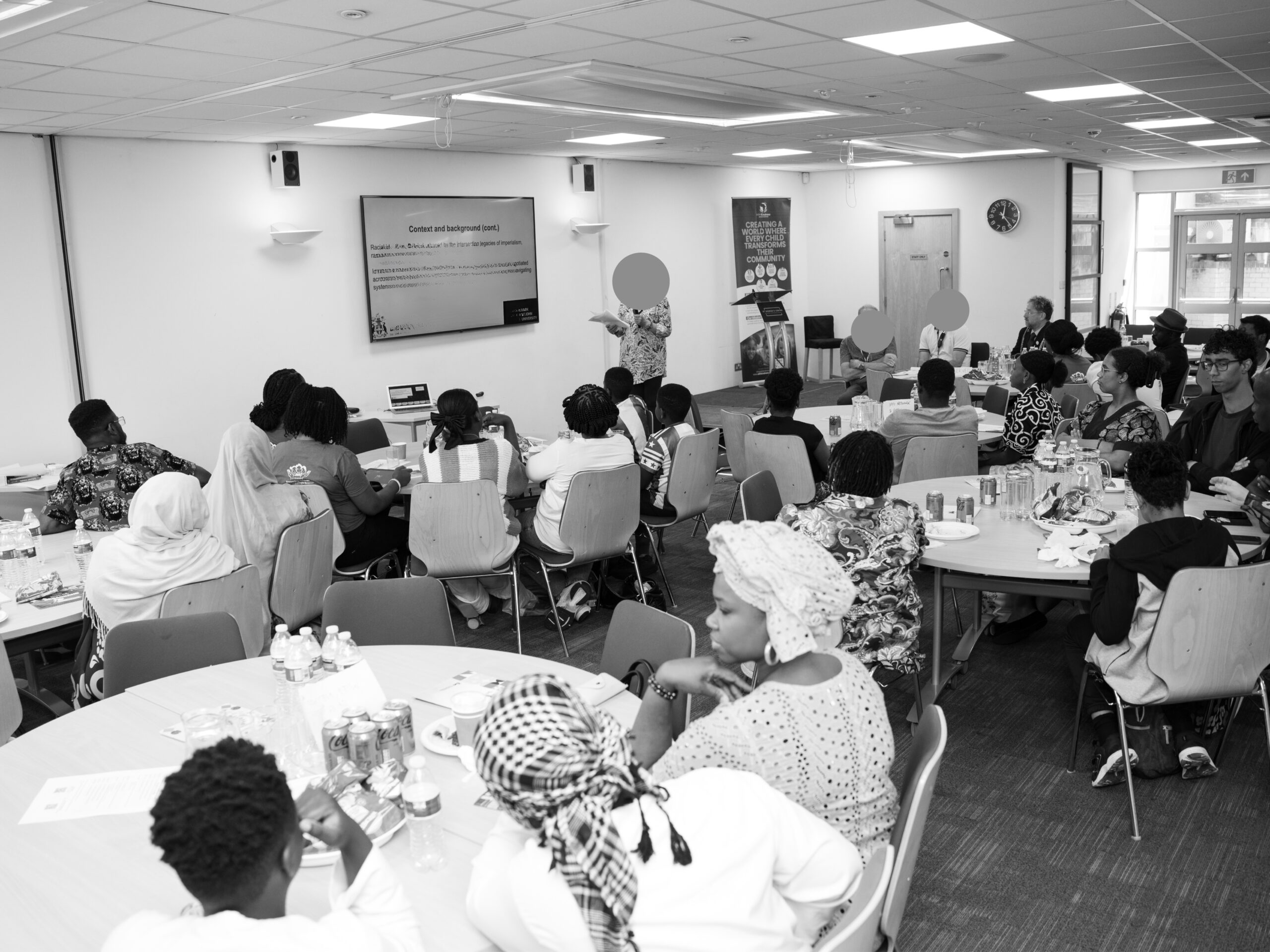
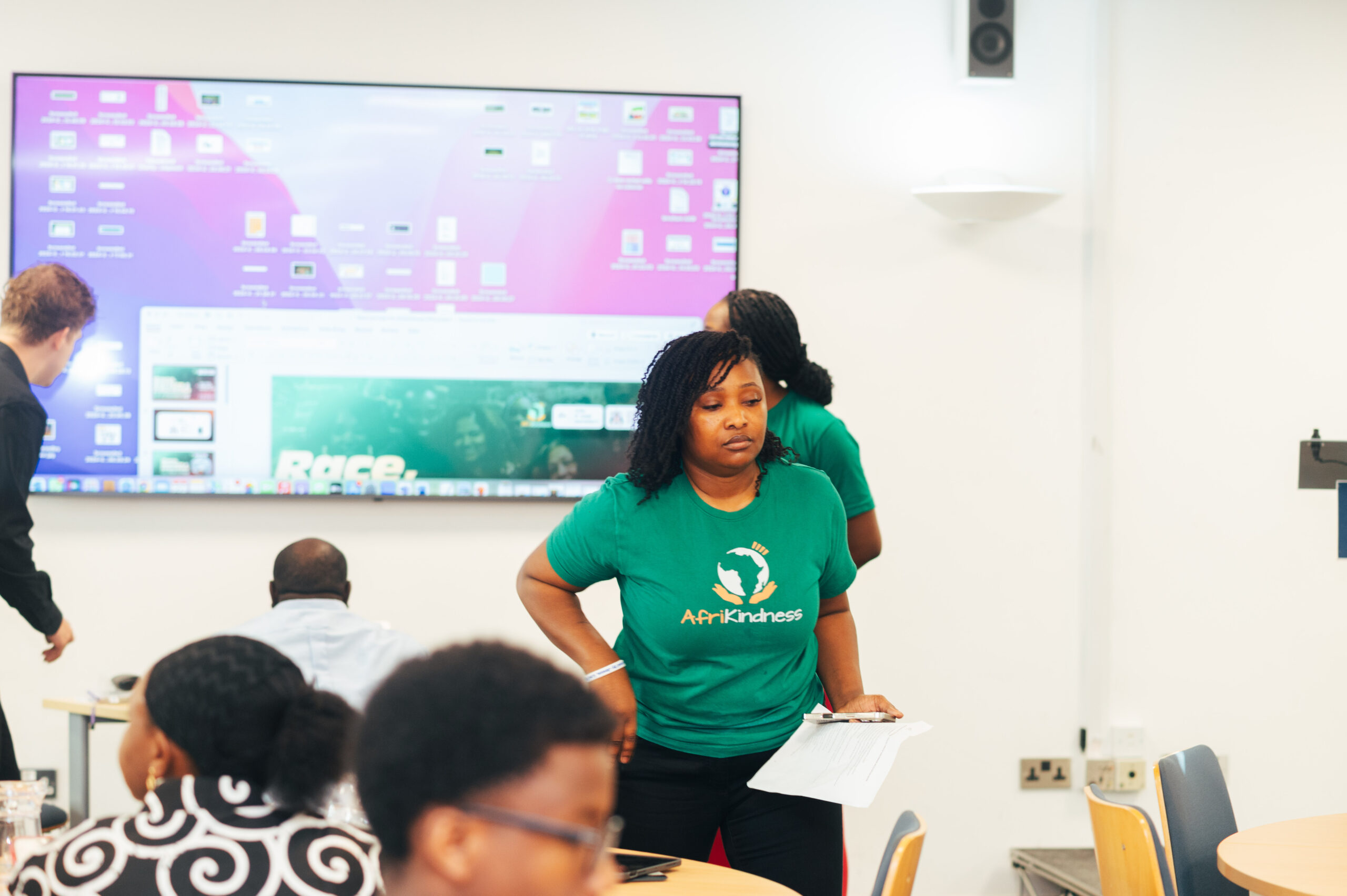
The project culminated in a vibrant Research Dissemination Event, bringing together young people, parents, educators, researchers, community organisations, local authority representatives and civic leaders to celebrate the achievements of the young people and share the project’s findings.

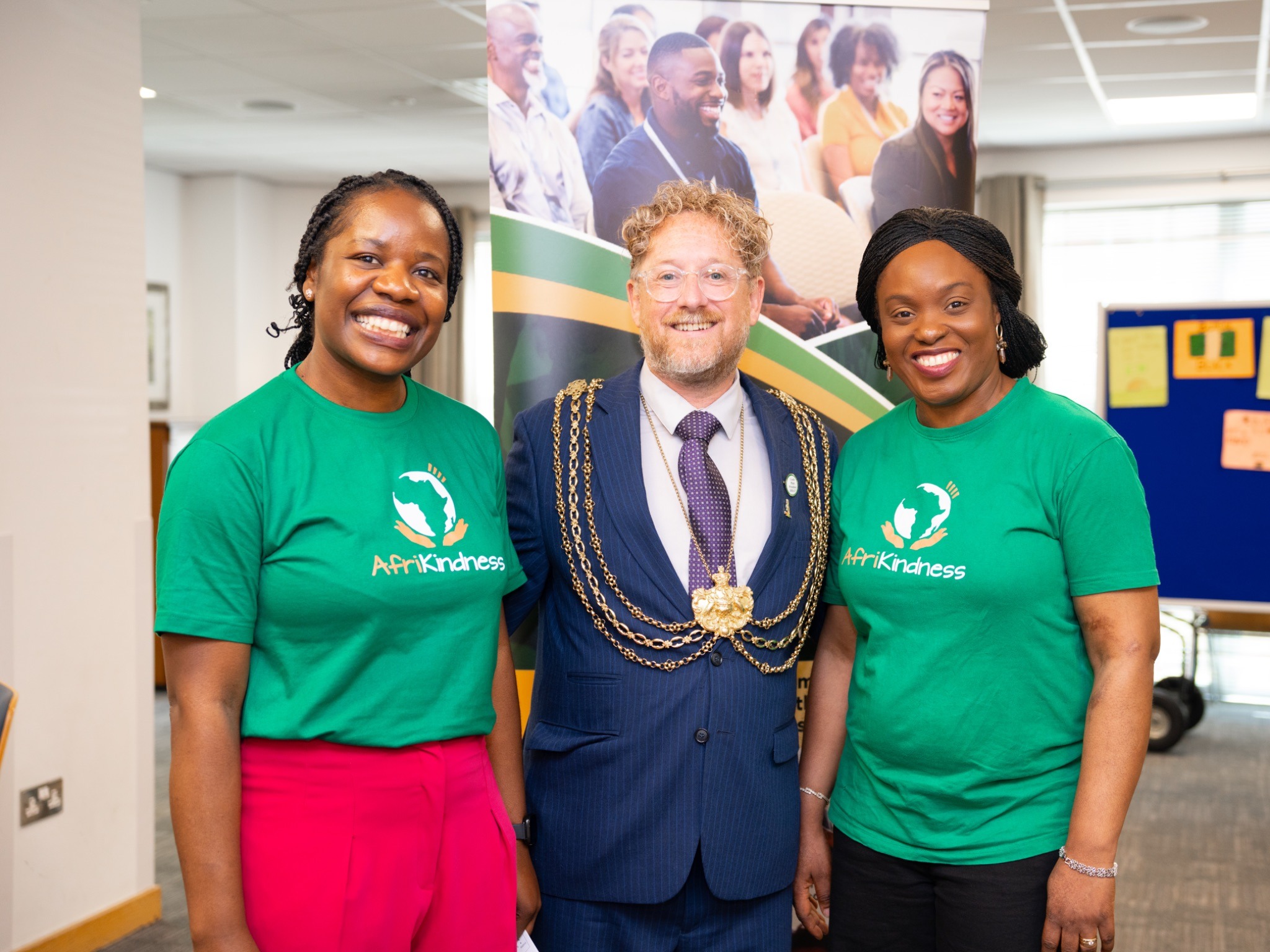
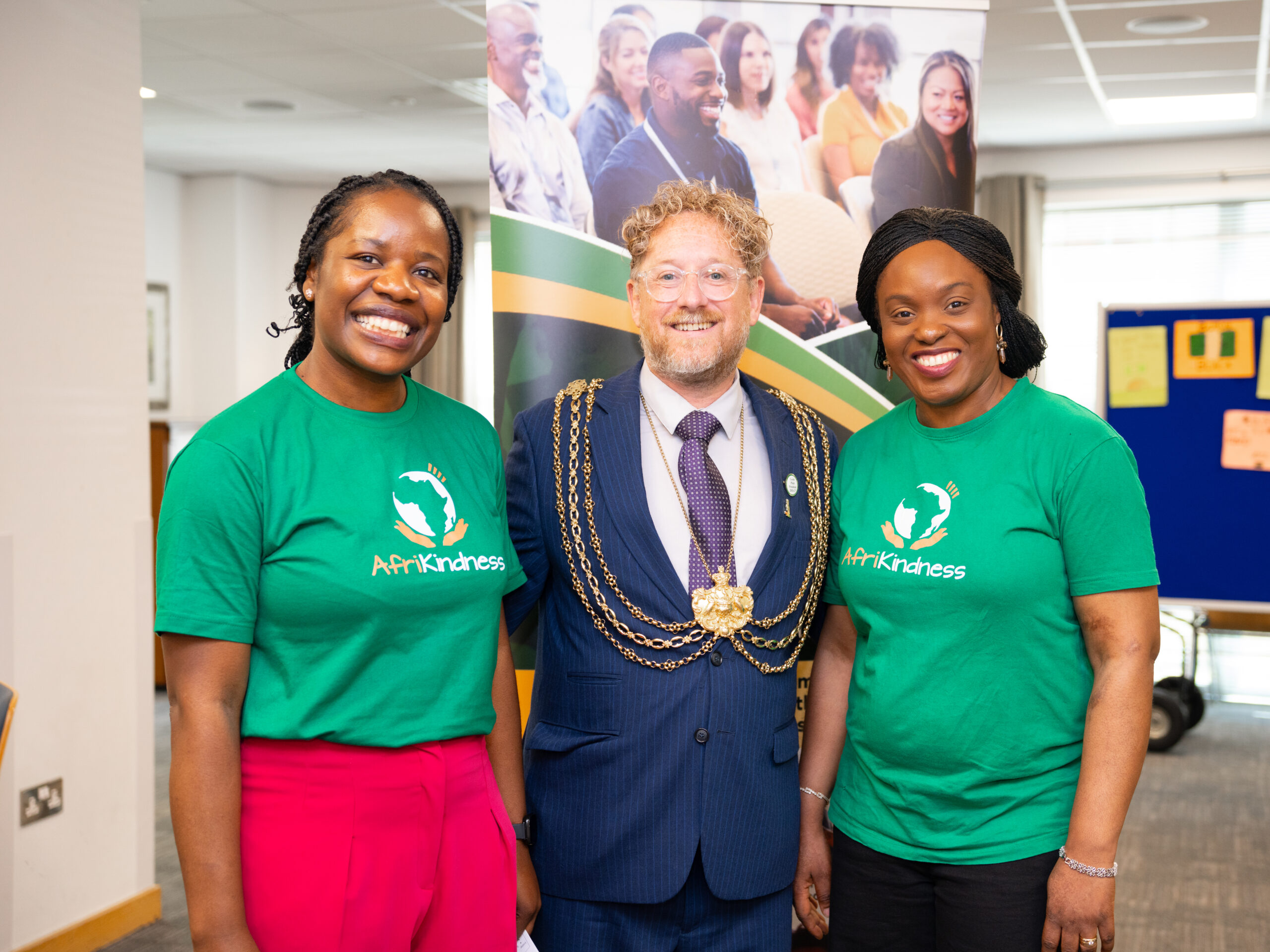
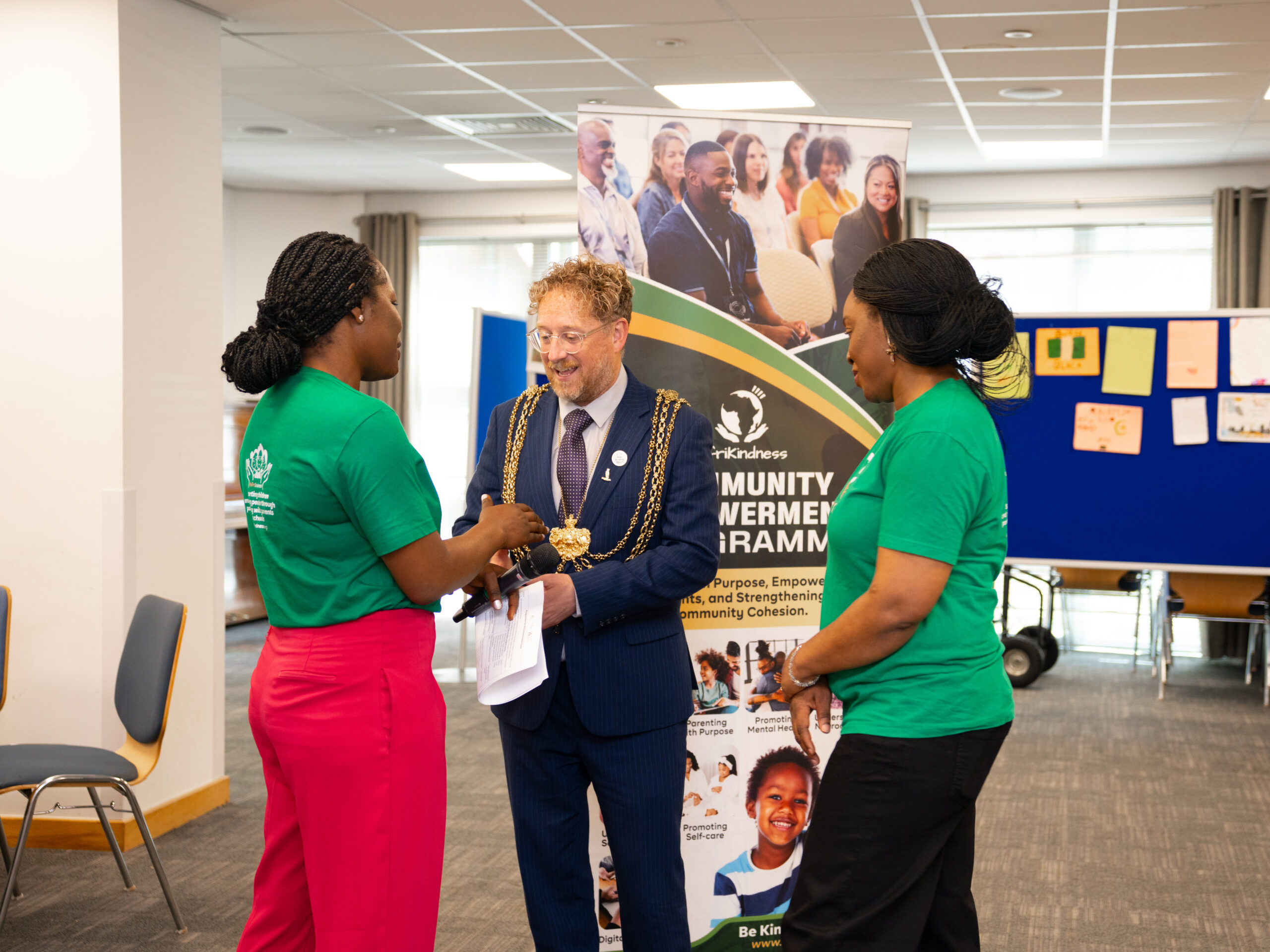
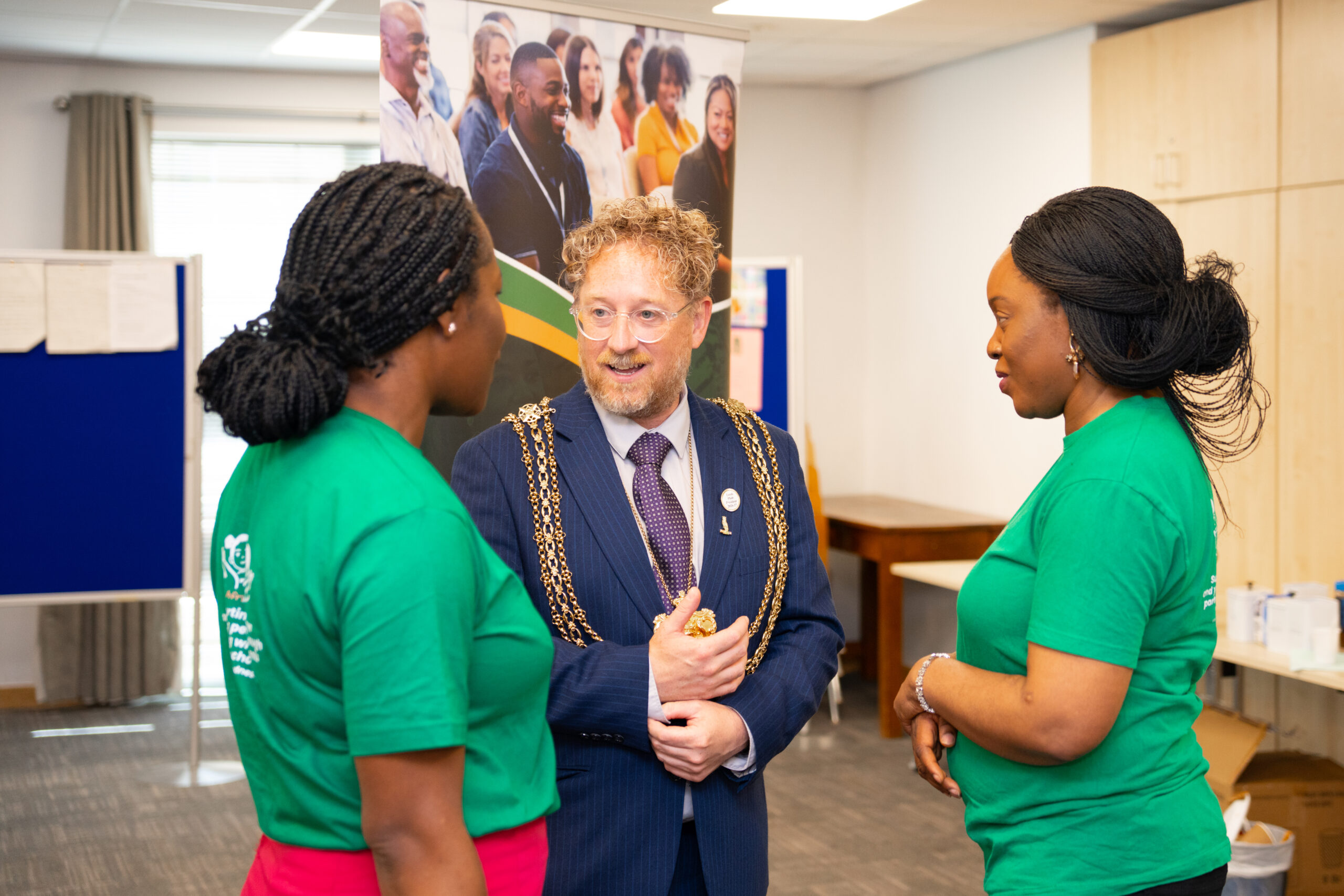
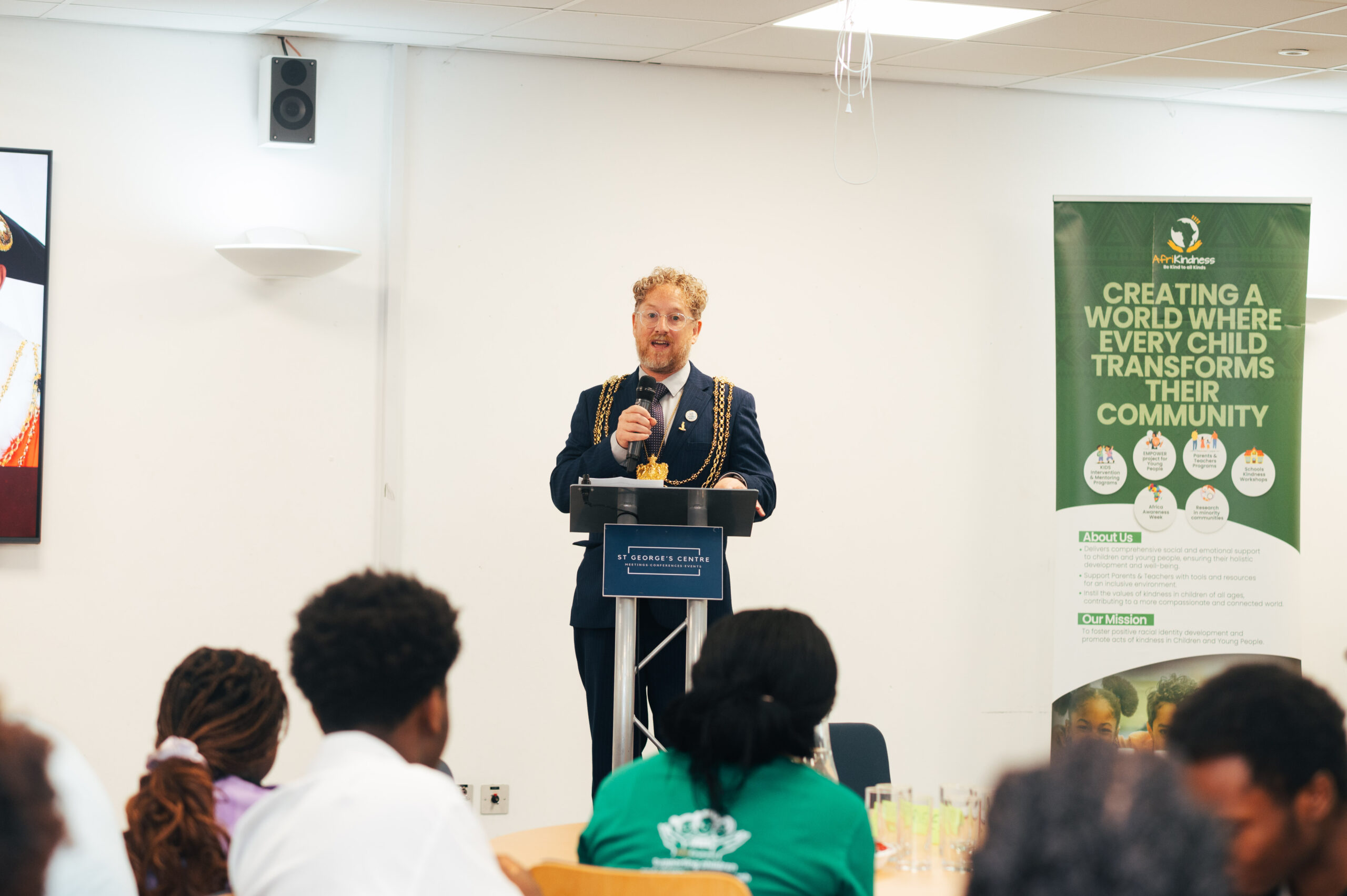
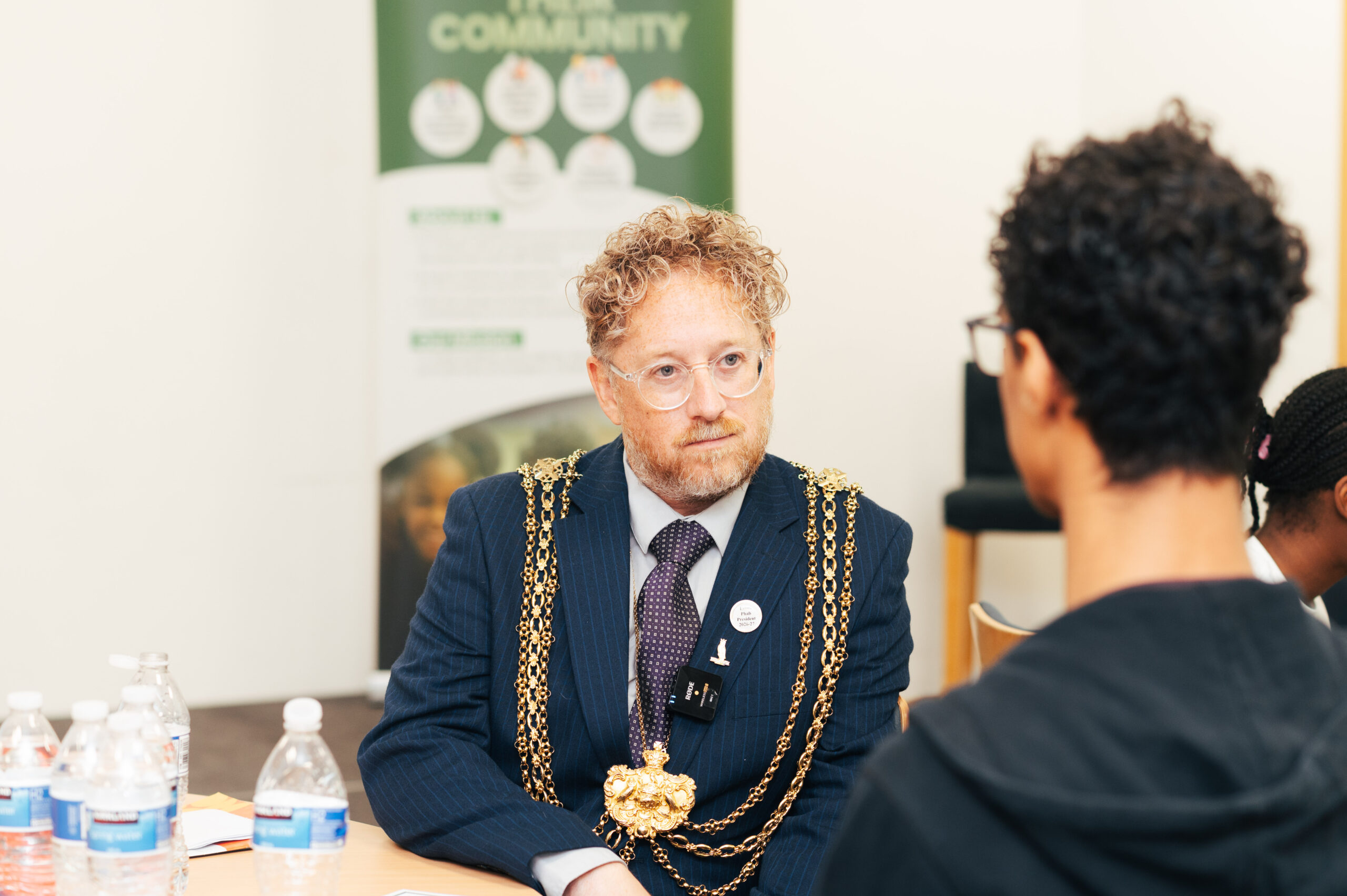
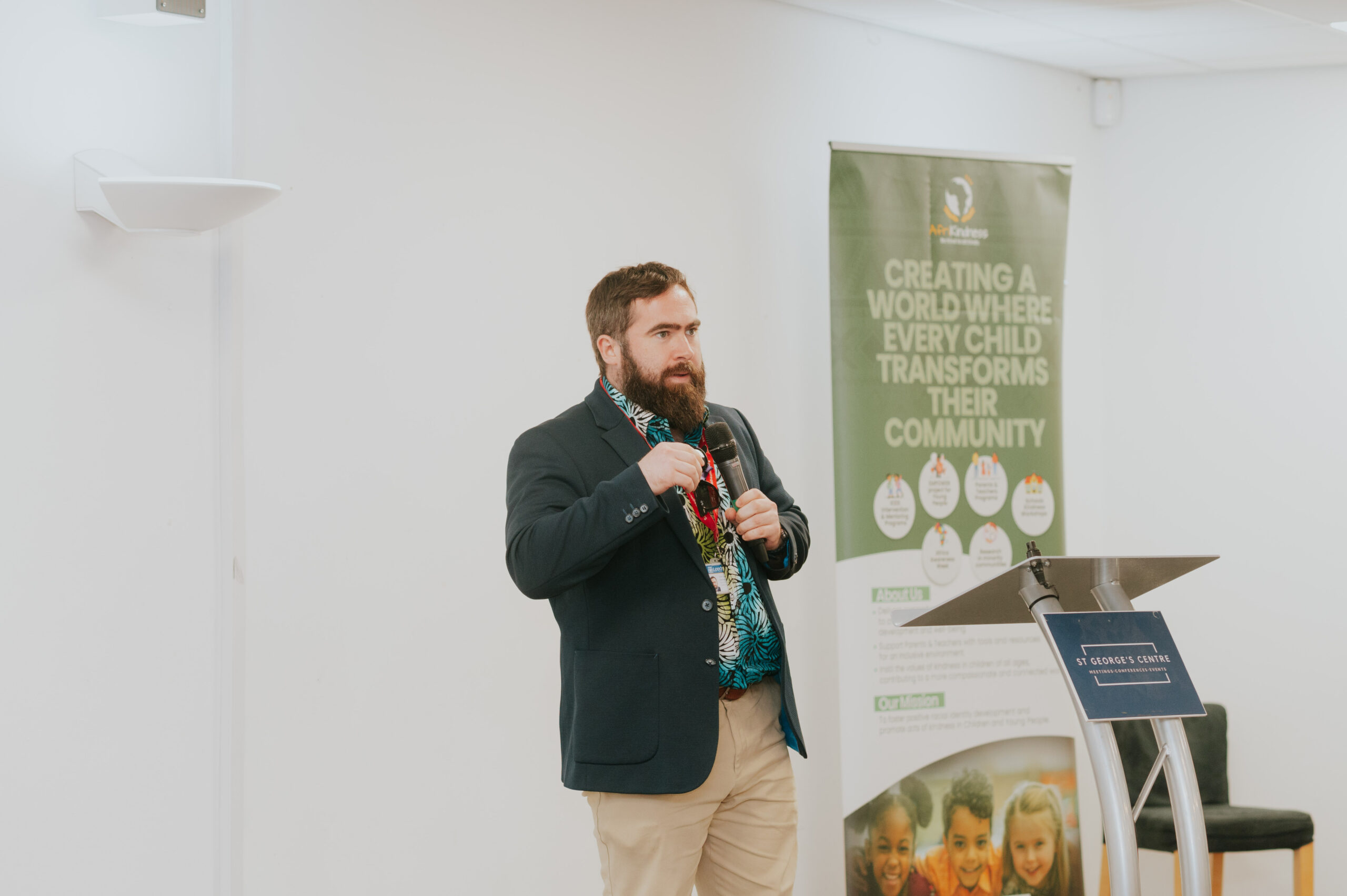
The event was honoured by the attendance of the Lord Mayor of Leeds, Councillor Stephen Holroyd, who delivered the keynote address, recognising the leadership, courage and commitment shown by the young researchers throughout the project. Representatives from York St John University and Liverpool Hope University also presented reflections on the research partnership, the significance of participatory research, and the importance of ensuring that young people's voices help shape future research and practice.
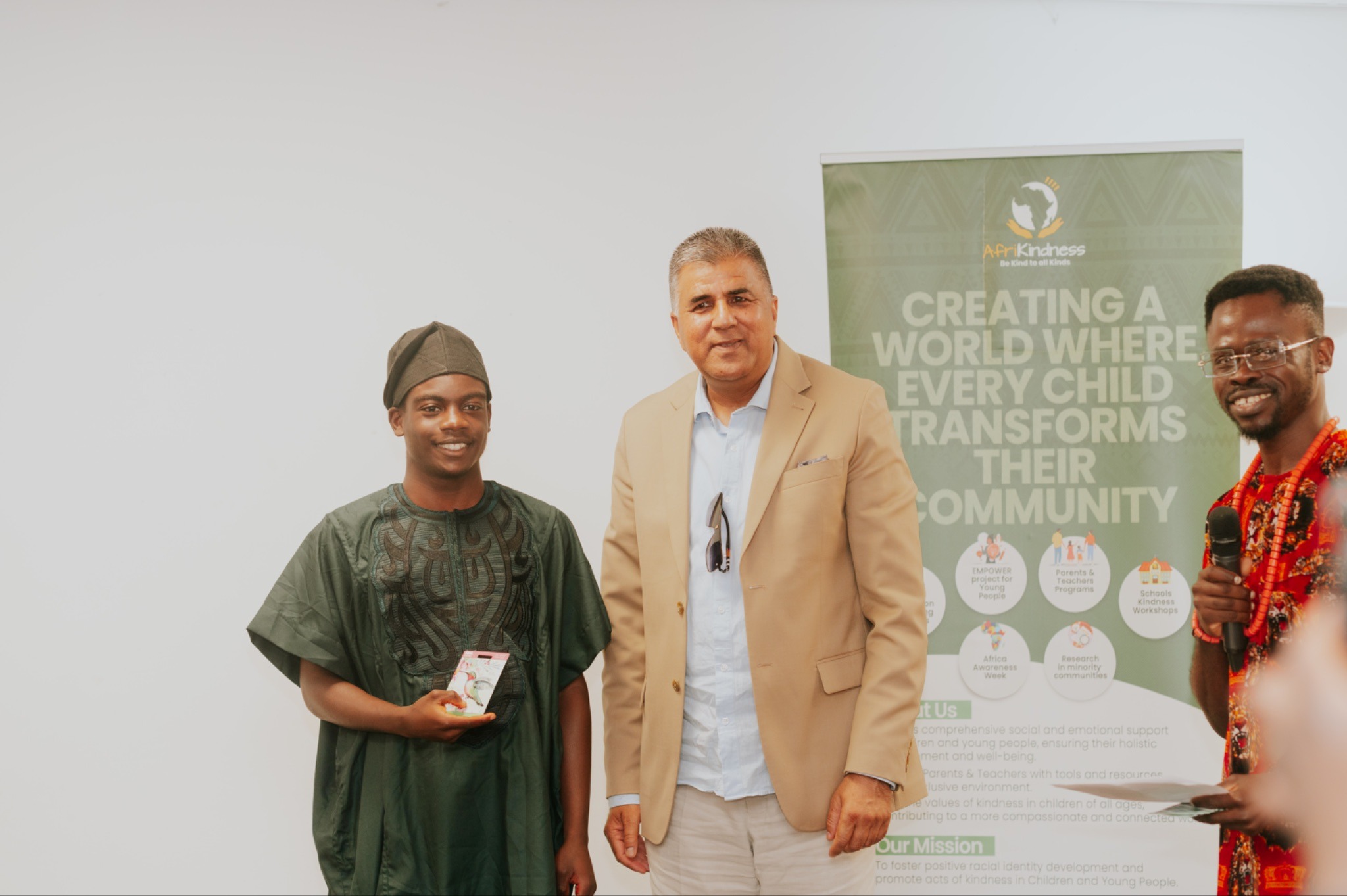
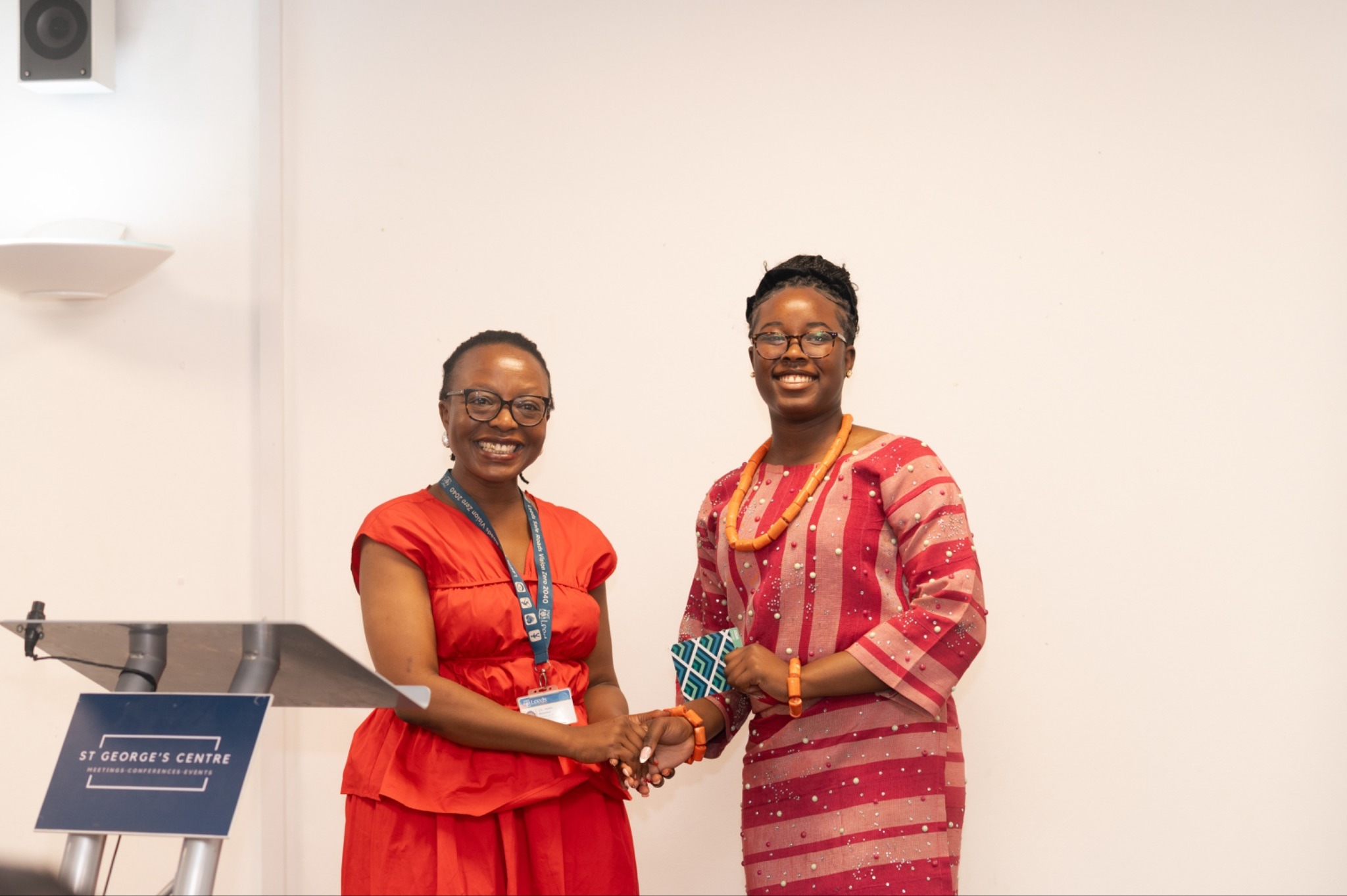
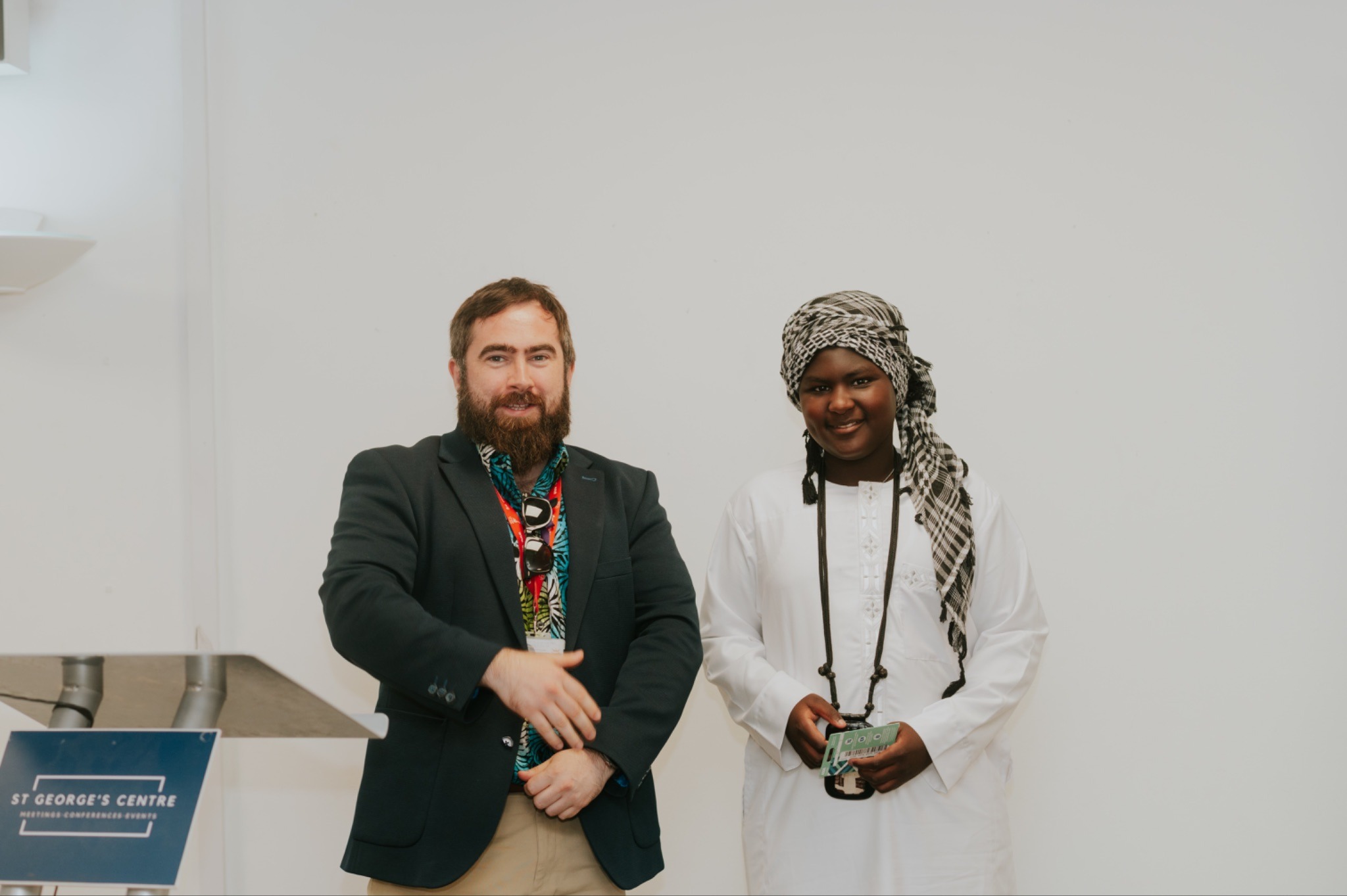
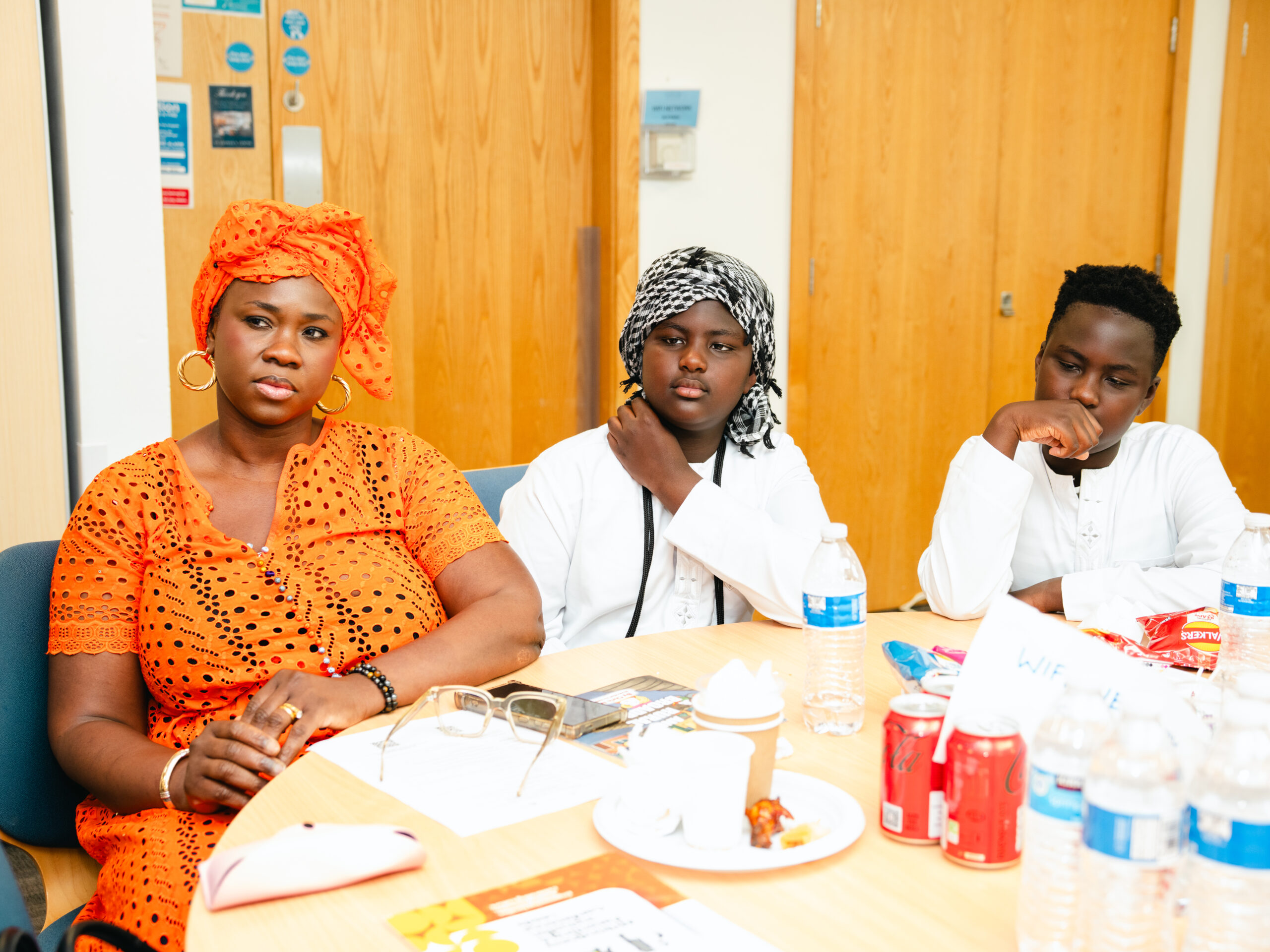
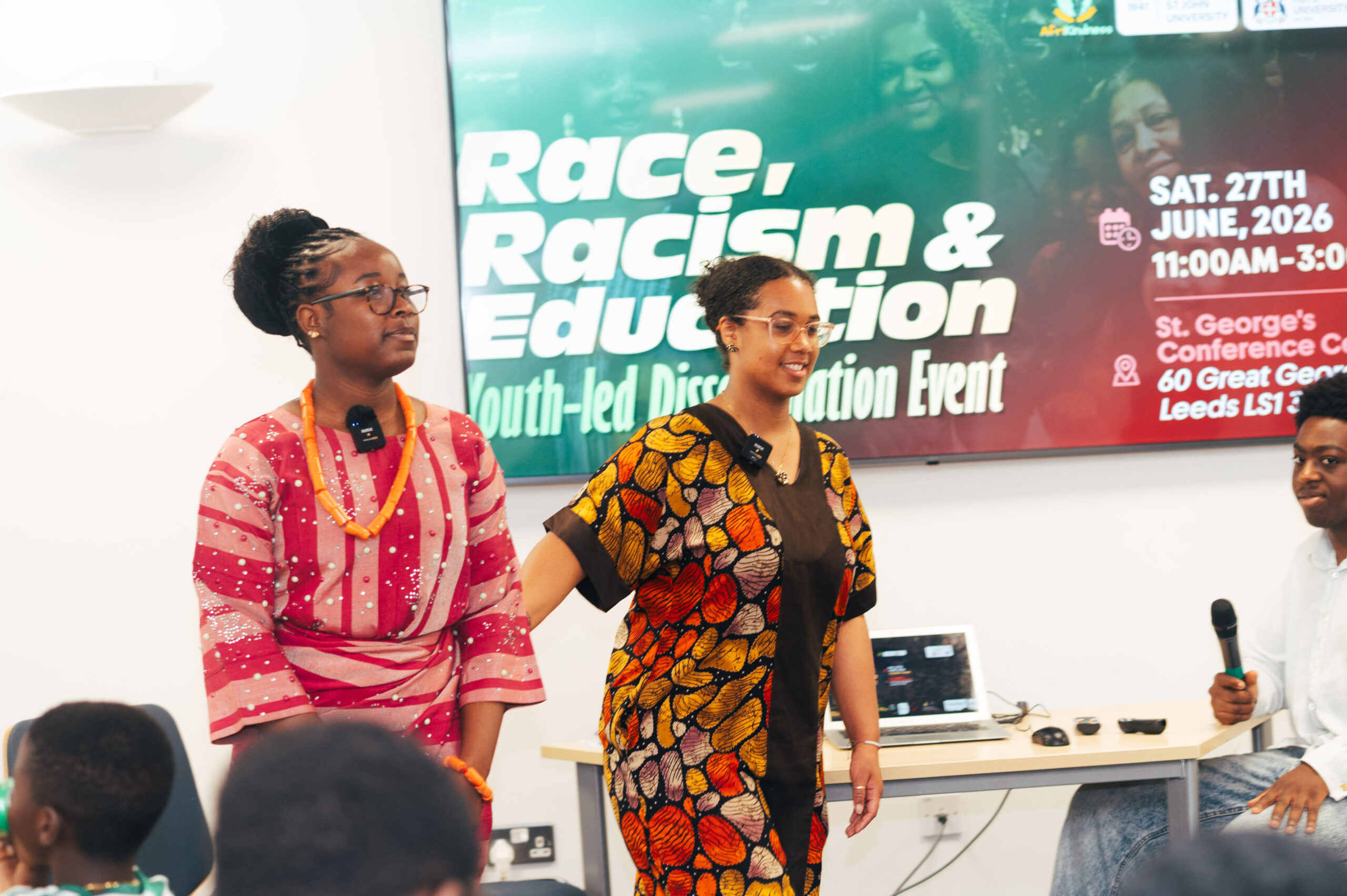
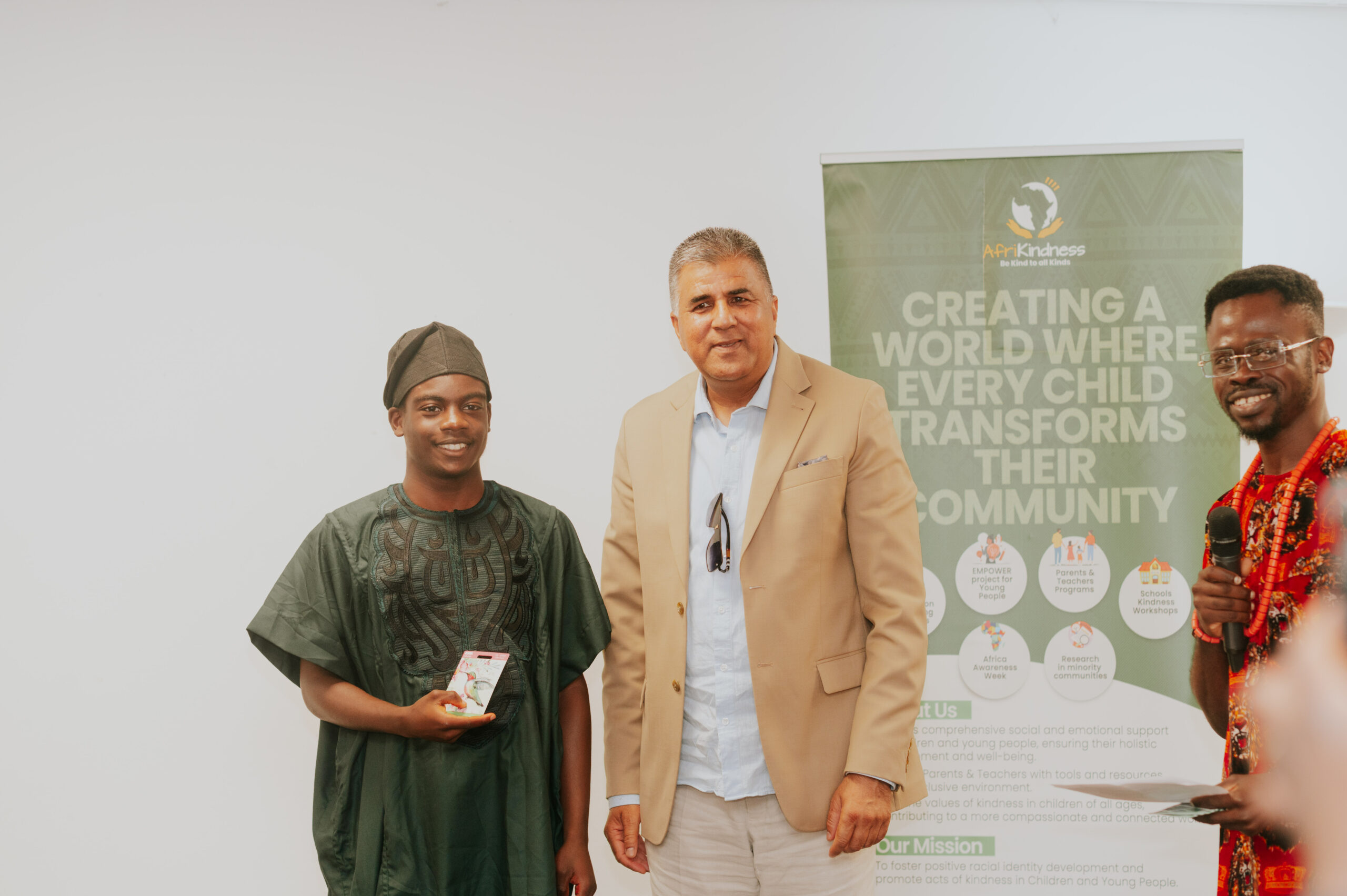
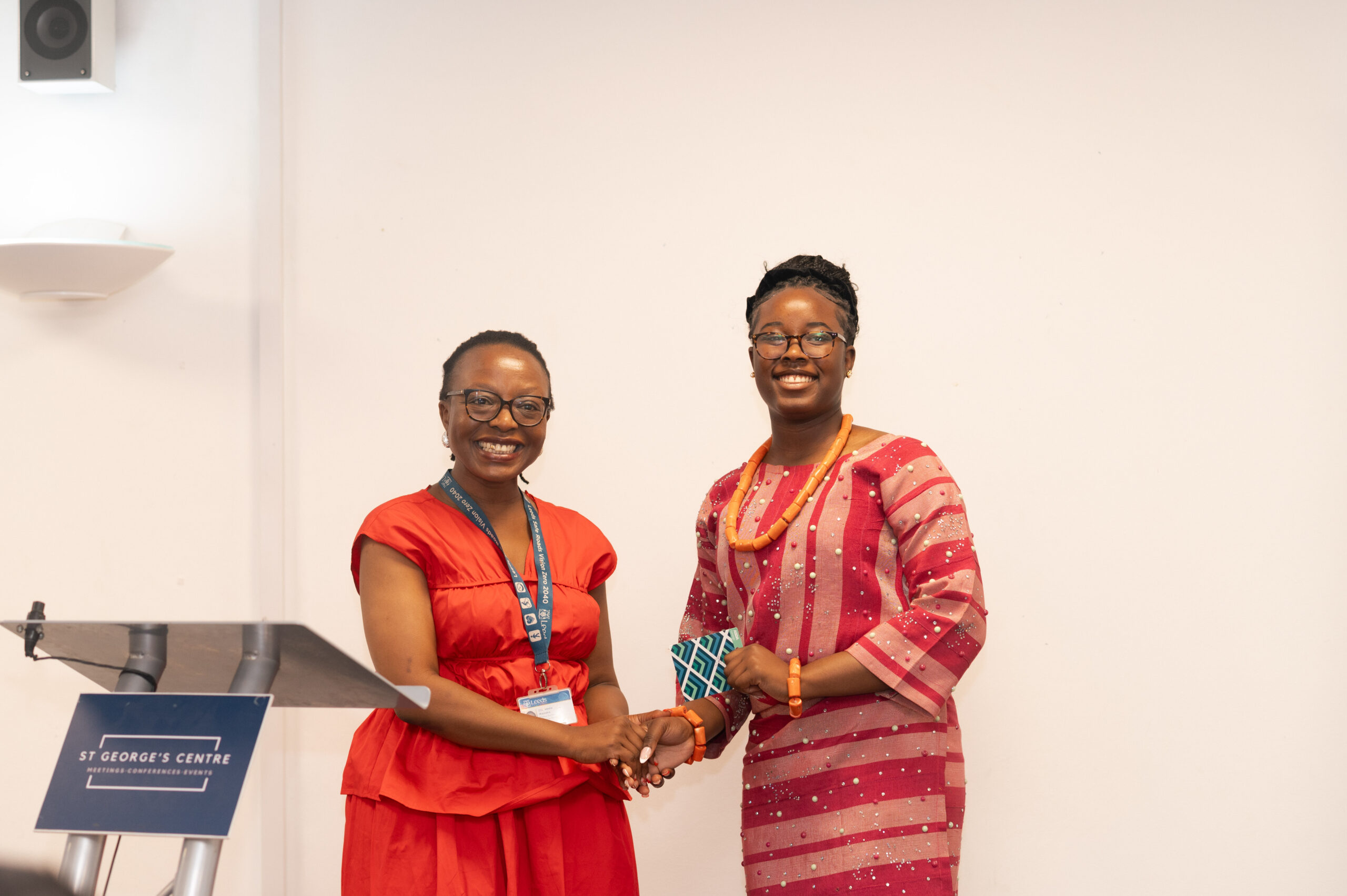
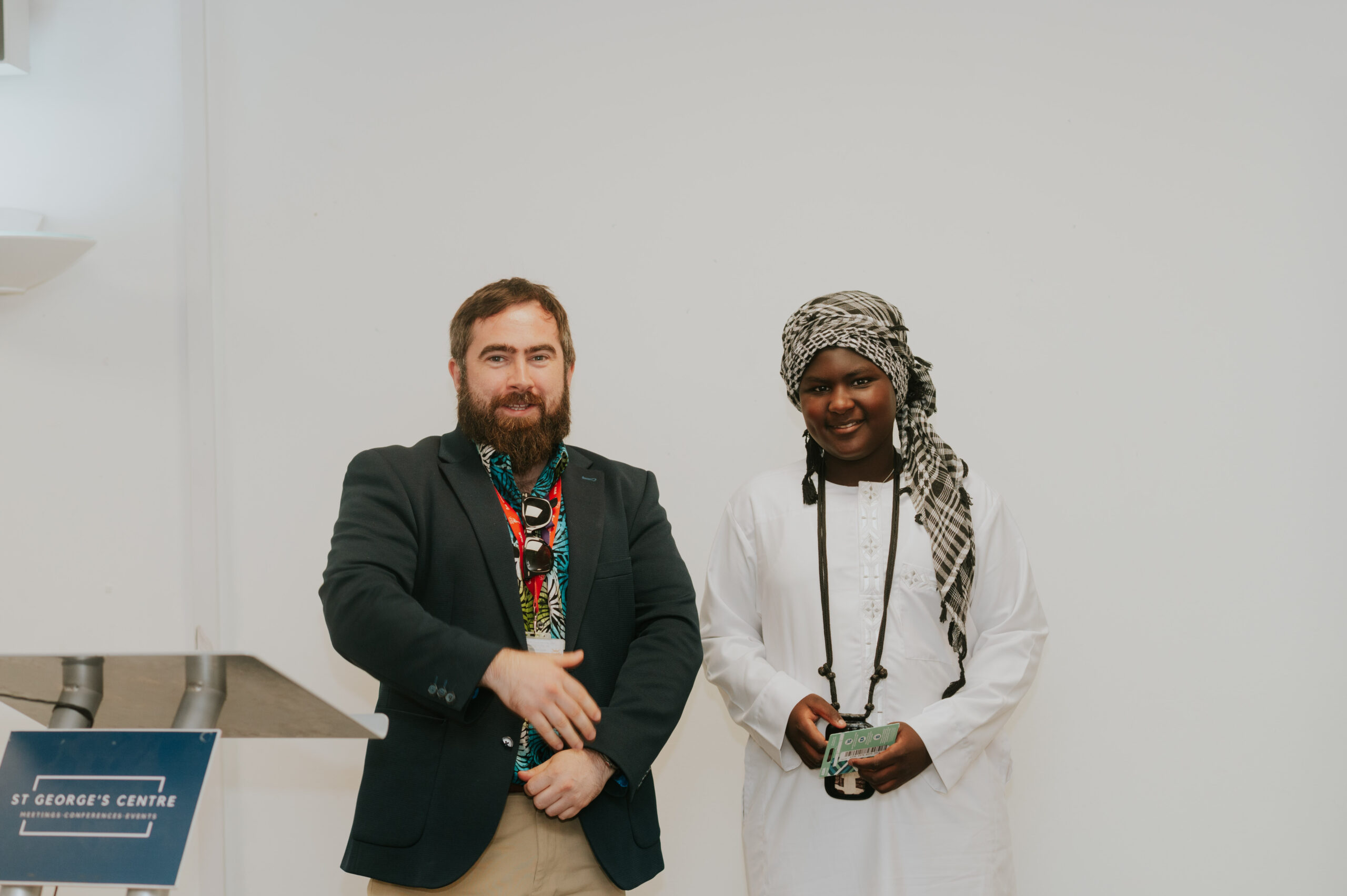
The event was further supported by Councillors Luke Farley, Nkele Manaka and Asghar Khan from the Burmantofts and Richmond Hill Ward, who delivered inspiring messages to the young people, celebrating their achievements and encouraging them to continue using their voices to influence positive change. The councillors also presented awards to young people who participated in the Cultural Attire Competition, celebrating the richness and diversity of African cultures and heritage.

One of the highlights of the afternoon was a powerful drama performance created and delivered by the Research Ambassadors. Drawing inspiration from the stories and themes that emerged throughout the research, the performance explored identity, belonging, race and education, providing a moving and creative reflection of the experiences shared by participants.

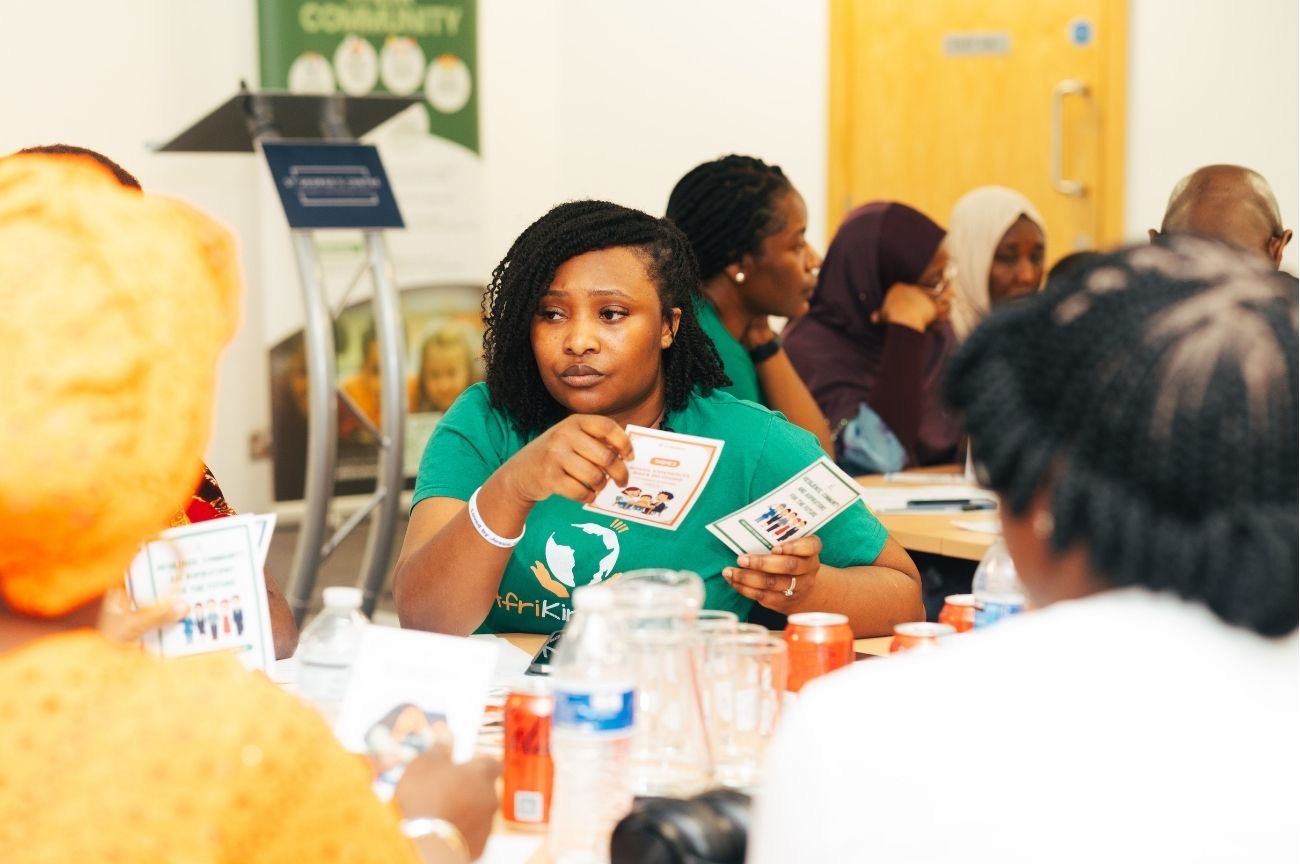
The dissemination event also marked the official launch of the Afrikindness Cultural Toolkit—a practical resource developed from the research findings to support parents, carers, schools, community organisations and professionals in promoting positive racial identity, cultural confidence, belonging and inclusion among children and young people.

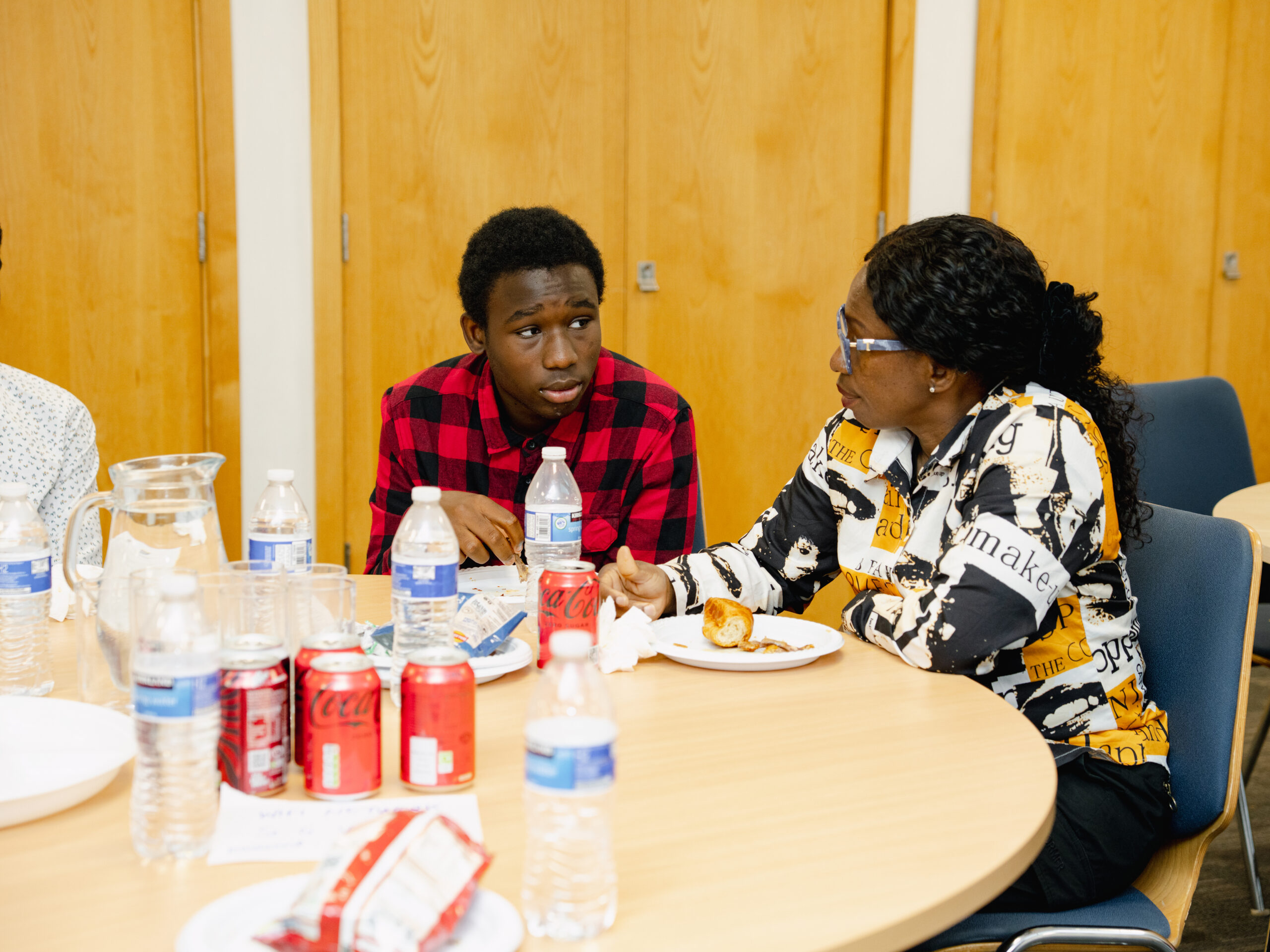
To ensure that the toolkit continues to meet the needs of families and practitioners, participants took part in facilitated focus group discussions during the event. Feedback from parents, professionals, educators and community members has been collated and will inform the continued refinement and future implementation of the toolkit.

Reflecting on the success of the project, Dr Grace Okoro, Afrikindness Research Trustee said:

“This project has shown what is possible when young people are genuinely trusted to lead. They have not only contributed to meaningful research but have developed confidence, leadership skills and a deeper understanding of their own identity and lived experiences. We are incredibly proud of every young person who participated and grateful to our university partners, funders and community stakeholders who believed in the importance of this work.”

The project has strengthened partnerships between the voluntary sector, academia and local communities, demonstrating how co-produced, youth-led research can generate valuable insights while empowering young people to become active contributors to research, policy and social change.

Beyond the research itself, the project leaves a lasting legacy.

The skills developed by the young people—communication, leadership, critical thinking, teamwork, public speaking, interviewing, empathy and confidence—will remain with them long after the project concludes.

The dissemination event marks not the end of the journey, but the beginning of wider conversations that will continue to shape more inclusive schools, stronger communities, and better outcomes for future generations.

Looking Ahead

While the research project has officially concluded, its impact will continue.

The next phase of the project includes:

  • Publication of a comprehensive research report highlighting the voices and experiences of the young participants.
  • Preparation of academic journal publications in collaboration with university partners to contribute to the wider evidence base on racial identity formation and educational experiences.
  • Continued rollout of the Afrikindness Cultural Toolkit through parent workshops, schools, community organisations and professional training programmes.
  • Ongoing engagement with stakeholders to translate the research findings into practical actions that strengthen inclusion, belonging and positive outcomes for young people of African heritage.

The project represents an important milestone in ensuring that young people’s voices are not only heard but valued in shaping future conversations around race, identity, education and community wellbeing.

Media Contact

Afrikindness
Email: ceo@afrikindness.org
Website: www.afrikindness.org


You have successfully subscribed!

Thank you for successfully subscribing to our Afrikindness newsletter. 
We are so ecstatic to have you be part this journey and we hope you are impacted.